
Top Home Design Trends for 2025: What Homeowners and Builders Are Actually Building
Share
Whether you're planning a full custom home build, a backyard workshop, or a cozy off-grid cabin retreat, 2025 is shaping up to be one of the most exciting years in residential design in recent memory. Shifting lifestyles, rising material costs, and a renewed desire for functional, beautiful spaces are pushing homeowners and builders to think differently about how they design and build.
In this post, we're breaking down the top home design trends for 2025 — what's actually gaining traction, what's driving each shift, and how to find ready-to-build plans that match the direction you want to go.
1. Multi-functional spaces are replacing single-use rooms
The dedicated home office boom that started in 2020 has matured into something more nuanced. In 2025, homeowners aren't just asking for an office — they want a room that functions as an office, guest bedroom, and hobby space all at once. Designers are responding with smarter built-ins, Murphy bed integrations, and flex-room layouts that adapt through the day.
If you're looking at residential home plans, search for designs that include at least one dedicated flex room. It's become one of the most common requirements from buyers, and it adds real resale value.
2. Smaller footprints, smarter layouts
The era of chasing square footage for its own sake is fading. Across North America, buyers and self-builders are gravitating toward homes in the 1,200–1,800 sq ft range that feel spacious because of thoughtful layout — not raw size. Open-plan living areas, higher ceilings, large windows, and outdoor flow (covered patios, decks, and sliding doors) make a well-designed smaller home feel far bigger than the numbers suggest.
This trend is great news for budget-conscious builders. Smaller footprints mean lower material costs, faster builds, and more room in the budget for quality finishes that actually matter.
3. Garages and workshops are getting serious upgrades
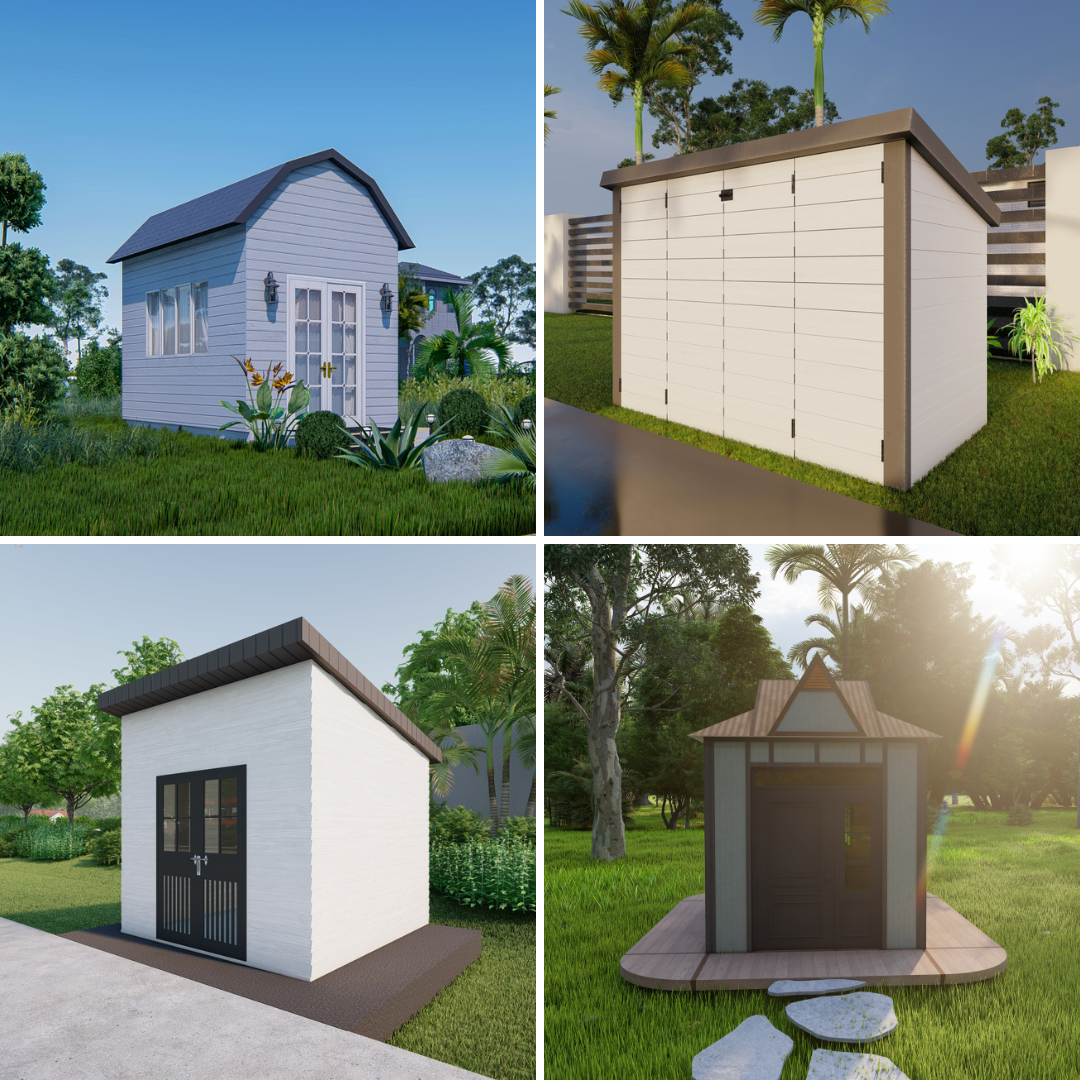
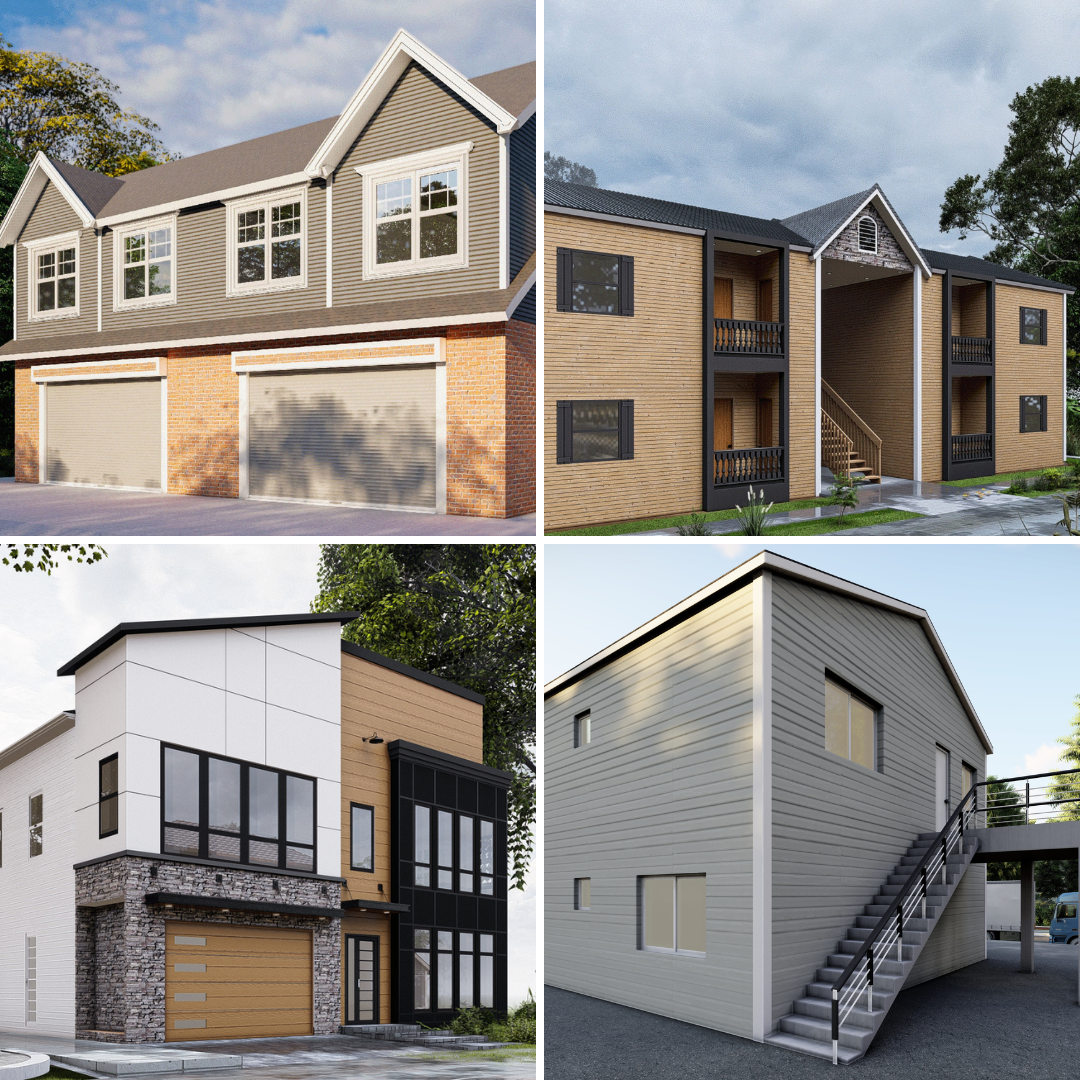
One of the biggest growth areas in residential building right now is the detached garage and workshop space. Homeowners are increasingly viewing their garage not as a parking spot but as a productivity hub — whether that's a full woodworking shop, a gym, a mechanics bay, or a creative studio. Demand for plans that include 220V power runs, insulated walls, separate HVAC, and loft storage has surged.
If you've been thinking about adding a workshop to your property, 2025 is an ideal time. Material costs have stabilized in many regions, and permitting for accessory structures has become more streamlined in most Canadian and US municipalities.
Looking for garage and workshop plans? We carry a full range of designs — from single-bay hobby shops to large multi-vehicle workshops with loft storage.
4. Cabin and cottage builds are booming
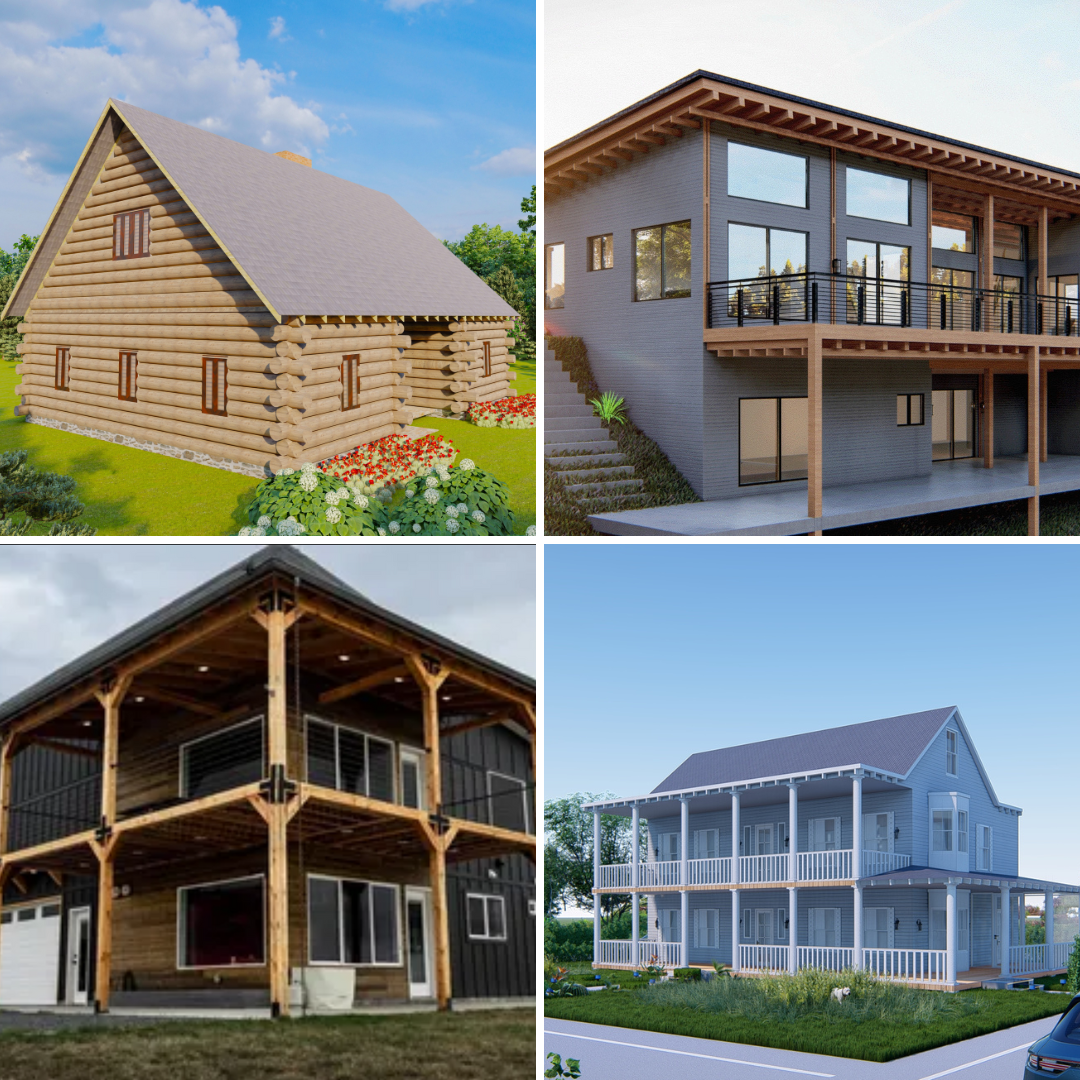
Remote work flexibility has permanently changed how Canadians and Americans think about where they can live — and where they want to escape. Sales of rural land and cottage-country lots have stayed elevated since 2021, and the downstream effect is a surge in demand for cabin and cottage plans. The most popular designs in 2025 lean into natural materials (timber framing, board-and-batten cladding, exposed beams), compact but well-appointed interiors, and off-grid-ready infrastructure like propane, rainwater collection rough-ins, and solar-ready electrical panels.
A well-designed cabin plan can be one of the most rewarding builds a self-builder takes on — manageable in scope, deeply personal, and genuinely life-changing in terms of the lifestyle it enables.
5. Sustainable design is moving from optional to expected
Energy efficiency and environmental consideration used to be selling points — in 2025, they're table stakes. Buyers and builders are now routinely specifying things like: enhanced wall insulation (R-24+), triple-pane windows, heat pump systems, and EV charging rough-ins as baseline requirements rather than upgrades. Plans that are designed with these systems in mind — rather than retrofitted to accommodate them — build better and cost less to operate long-term.
When shopping for building plans, look for designs that explicitly call out insulation specs, mechanical system compatibility, and whether the structural layout accommodates future solar panel installation.
6. Indoor-outdoor connection is non-negotiable
Across every building type — homes, cabins, workshops with adjacent lounges — the connection between interior and exterior space has become a defining design priority. Large sliding or bi-fold patio doors, covered outdoor rooms, seamless flooring transitions, and outdoor kitchens are among the most-requested features in residential plans right now. Buyers in 2025 don't want to feel like they're inside a box — they want to feel like the outdoors is an extension of their living space.
7. ADUs and laneway homes are going mainstream
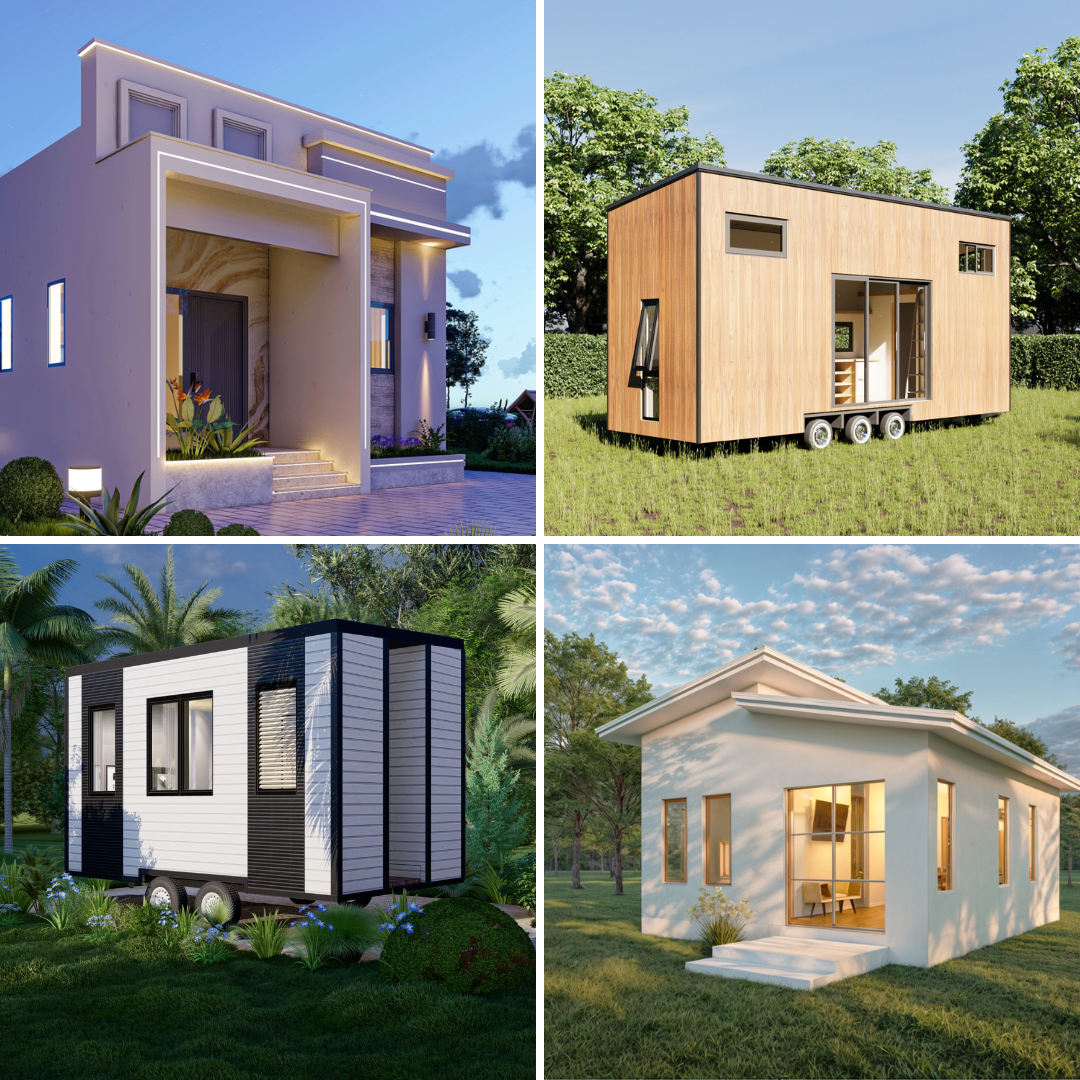
Accessory dwelling units (ADUs) — secondary suites, laneway homes, garden suites, and carriage houses — have exploded in popularity as municipalities across Canada and the US have relaxed zoning restrictions. For homeowners, an ADU represents rental income, multigenerational housing flexibility, or long-term property value. The plans themselves are more refined than ever: self-contained 400–800 sq ft units designed to maximize livability in a small footprint.
How to choose the right plan in 2025
With so many directions available, the most important first step is to get clear on your constraints before you fall in love with a design. Start with your lot size and orientation (sun exposure matters enormously for passive solar gain), then your local building code requirements, then your budget — both for construction and long-term operating costs. From there, you can narrow your search to plans that genuinely fit your situation rather than plans you'll need to heavily modify.
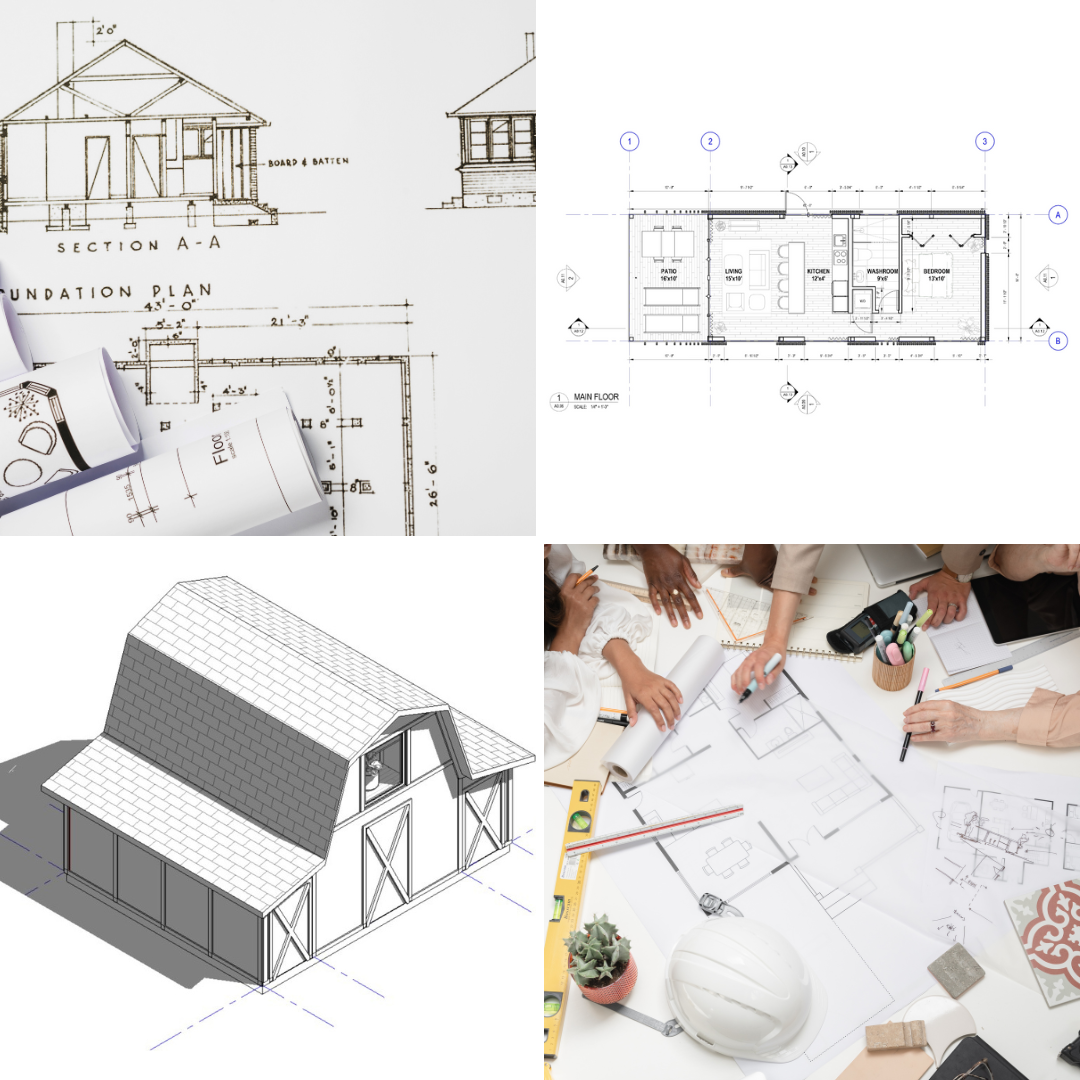
Buying a ready-to-build digital plan is one of the best investments a self-builder or contractor can make. A well-documented plan saves weeks of design time, gives your permit submission a professional foundation, and gives your trades a clear scope to quote against.
Final thoughts
2025 is a genuinely exciting time to build. The trends are pointing toward smarter, more livable, more sustainable spaces — and the plan options available to self-builders today are better than they've ever been. Whether you're breaking ground on a forever home, adding a workshop, or finally pulling the trigger on that cabin property, the right planmason benesh makes all the difference