
Title: Step-by-Step Guide to Designing Your Dream Home from Scratch
Share
Introduction
Designing your dream home is an exciting journey filled with possibilities to create a space tailored to your lifestyle, needs, and aesthetic preferences. Whether you’re envisioning a modern minimalist haven, a cozy rustic retreat, or an eco-friendly abode, starting from scratch allows you to turn your vision into reality. For inspiration and practical design ideas, explore House & Cabin Plans, where you’ll find a curated selection of layouts to suit diverse tastes and requirements.
Creating a home from the ground up may seem daunting, but with the right steps and resources, you can approach this project with confidence. To delve deeper into the planning process, check out How To Design A Home – 10 Steps To Design Your Dream Home, which provides comprehensive guidance to navigate this journey. In this article, we’ll break down the key stages of designing your dream home into three critical steps to help simplify your path to achieving a home that’s uniquely yours.
1. Define Your Vision and Priorities
The first step in designing your dream home is to articulate your vision. Start by reflecting on your lifestyle and the features that matter most to you. Consider questions such as:
-
How many bedrooms and bathrooms do you need?
-
Do you want an open-concept layout, or do you prefer distinct, separate rooms?
-
What architectural style resonates with your aesthetic preferences?
-
Are there any specific functional spaces you’ll require, such as a home office, gym, or workshop?
Tips for Refining Your Vision:
-
Create a Mood Board: Use Pinterest or physical materials like magazine clippings to compile images, textures, and color palettes that inspire you.
-
Consider Future Needs: If you’re planning to grow your family or work from home in the future, factor these requirements into your design.
-
Identify Must-Haves vs. Nice-to-Haves: Clearly distinguish between essential features and those you’d like but can compromise on if necessary.
Your vision is the foundation of your project, and investing time in this phase will guide you through the subsequent steps. Remember, the clearer your ideas are, the easier it will be to communicate them to your architect, designer, or builder.
2. Establish a Budget and Gather Resources
Once you have a clear vision, it’s time to align your aspirations with your budget. Determining your financial parameters early in the process is crucial to avoid overspending and ensure that your dream home is financially feasible.
Steps to Set Your Budget:
-
Evaluate Your Finances: Assess your savings, income, and financing options, including loans or mortgages.
-
Research Costs: Familiarize yourself with the costs of land, materials, labor, permits, and additional expenses like landscaping and interior design.
-
Set Contingencies: Allocate 10-15% of your budget for unforeseen costs or upgrades.
Beyond budgeting, gathering the right resources is key. This includes selecting an architect or designer who shares your vision and assembling a team of contractors and builders with a proven track record. Look for professionals who prioritize transparency, clear communication, and quality workmanship.
Tips for Choosing the Right Team:
-
Check References: Speak with previous clients to understand the professional’s strengths and weaknesses.
-
Review Portfolios: Assess past projects to ensure their style aligns with your vision.
-
Communicate Your Needs: Clearly articulate your goals, budget, and timeline to avoid misunderstandings.
Collaboration is at the heart of successful home design. Open communication and trust with your team will help you navigate challenges and stay aligned with your goals.
3. Finalize Your Floor Plan and Design Details
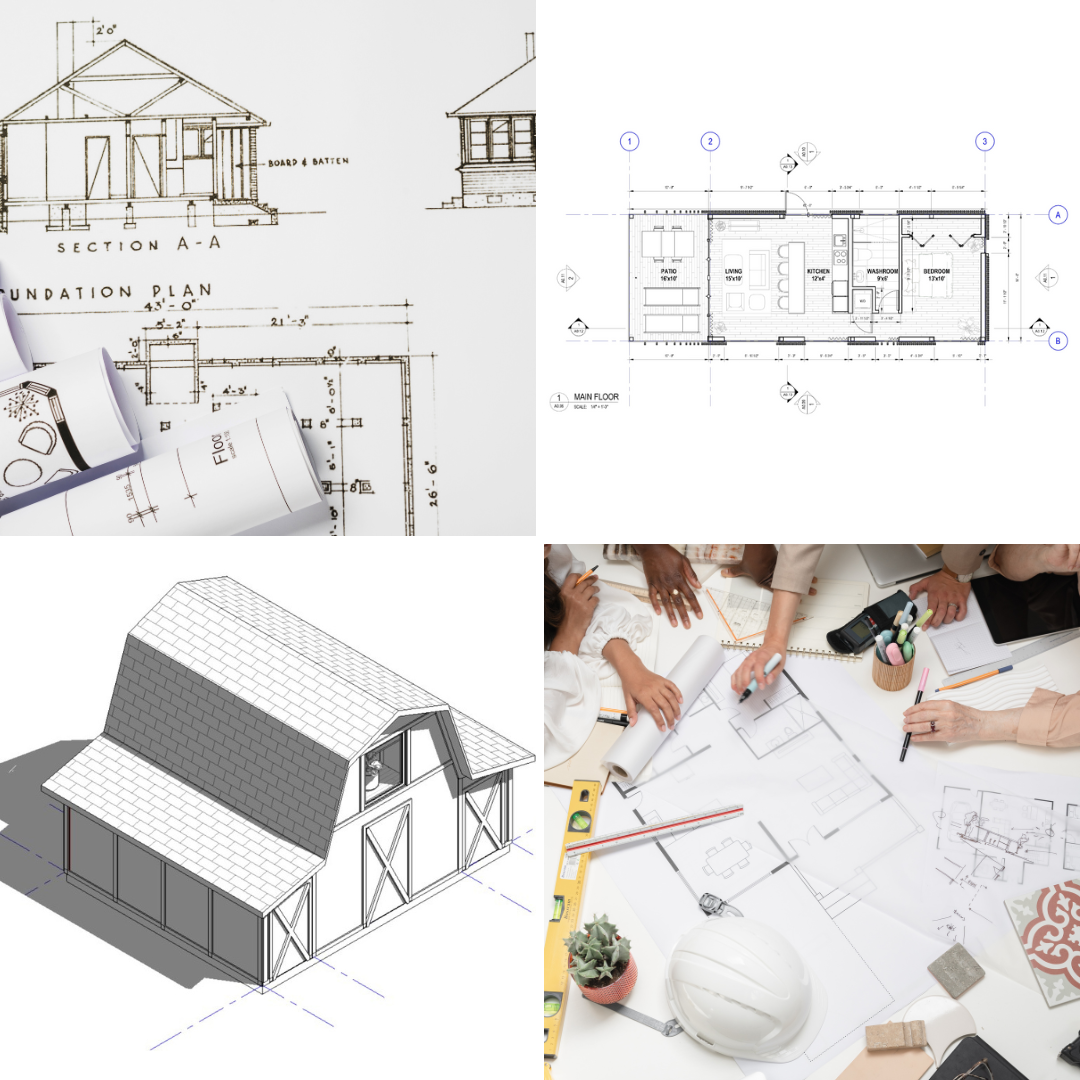
The floor plan is the blueprint for your dream home and dictates how your space will function. Work closely with your architect or designer to finalize a layout that reflects your vision while optimizing functionality and flow.
Key Considerations for Your Floor Plan:
-
Maximize Natural Light: Position windows and openings strategically to enhance daylight and reduce energy consumption.
-
Optimize Space Usage: Avoid unused or awkward spaces by prioritizing practicality and ergonomics in your design.
-
Incorporate Energy Efficiency: Consider features like solar panels, high-performance insulation, and energy-efficient appliances to reduce long-term costs and environmental impact.
Designing for Your Lifestyle:
Your floor plan should accommodate your daily routines and preferences. For example:
-
Entertaining Spaces: If you love hosting, prioritize open living areas and a spacious kitchen.
-
Quiet Retreats: Create private, tranquil areas for relaxation or work.
-
Outdoor Living: Plan for patios, balconies, or gardens to connect your home with nature.
Once the floor plan is set, focus on the finer details that will personalize your home. Choose materials, finishes, and fixtures that align with your style while keeping durability and maintenance in mind. Don’t forget to add unique touches, such as built-in storage solutions, custom cabinetry, or decorative elements that reflect your personality.
Personalizing Your Space:
-
Color Palette: Select hues that evoke the mood you want in each room. Neutral tones can create a calm atmosphere, while bold colors can energize a space.
-
Textures and Materials: Incorporate a mix of materials like wood, stone, and metal for visual interest and depth.
-
Smart Technology: Consider integrating smart home features like automated lighting, security systems, and temperature control for added convenience.
Bringing It All Together
The process of designing your dream home is both challenging and rewarding. As you work through these steps, remember to stay flexible and open to adjustments. Unforeseen obstacles may arise, but with a clear vision, a realistic budget, and a dedicated team, you’ll be equipped to navigate them successfully.
Celebrate small milestones along the way, from finalizing your floor plan to seeing the first walls go up. These moments mark progress toward creating a space that will serve as a foundation for your memories and experiences for years to come.
Conclusion
Designing your dream home is a rewarding endeavor that combines creativity, practicality, and strategic planning. By defining your vision, setting a realistic budget, and working through thoughtful design details, you can bring your ideal living space to life. With the right resources and expert guidance, this process becomes less daunting and more fulfilling.
Start your journey today with a wealth of ideas and expert advice. Whether you’re building a cozy cabin or a sprawling family home, the tools and inspiration are at your fingertips to make your dream a reality.