
The Smartest Small House Plans That Actually Live Large
Share
There's a moment most homeowners hit — usually somewhere between the third unused guest room and the heating bill — where square footage stops feeling like a flex and starts feeling like a burden. Small house plans have quietly become one of the most searched topics in residential design, and for good reason: done right, a compact home doesn't ask you to sacrifice comfort. It asks you to be deliberate.
This isn't about settling. It's about building something that works harder.
Why Small Houses Are Having Such a Big Moment
The math has changed. Land prices in most North American markets have climbed steadily for the better part of two decades. Construction costs followed. Add in energy prices, property taxes, and the general maintenance load of a sprawling home, and the case for building smaller has become genuinely compelling — not just ideologically, but financially.
But the cultural shift runs deeper than economics. A generation of homeowners watched their parents spend weekends maintaining houses they barely used. They've seen what it looks like to be owned by a property rather than own one. Smaller homes, thoughtfully designed, offer a different relationship with the place you live.
The challenge is that "small" covers a wide range. A 600-square-foot urban infill cottage is a completely different design problem than a 1,200-square-foot weekend cabin or a 900-square-foot starter home on a suburban lot. The principles overlap, but the execution varies significantly.
The Principles That Make Small Plans Work
Open layouts earn their reputation — but not for the reason most people think.
The common assumption is that open-plan living makes a small space feel bigger. That's partially true, but the real value is flexibility. A combined kitchen, dining, and living area can shift its center of gravity depending on the time of day, the season, and who's in the house. It can host a dinner party of ten or feel intimate for one person on a Tuesday night. Walls lock in function; open space adapts.
Ceiling height does more work than floor area.
A room that's 10 feet tall with 180 square feet reads differently than the same footprint at 8 feet. Light travels further, furniture feels appropriately scaled, and the experience of the space changes substantially. When working with a compact plan, investing in ceiling height — even selectively, in the main living area — delivers outsized return.
Storage isn't a feature. It's a structural decision.
In larger homes, storage gets improvised after the fact — a closet added here, a pantry squeezed in there. In a well-designed small house plan, storage is integrated from the beginning. Under-stair drawers. Built-in banquettes with hidden compartments. Bedroom walls that are entirely cabinetry. The distinction between furniture and architecture blurs, and that's exactly the point.
Natural light is your cheapest square footage.
A small room flooded with morning light doesn't feel small. It feels considered. Strategic window placement, skylights in hallways, and glass doors to outdoor spaces can dramatically alter the perceived size of a home without adding a single square foot to the plan.
Three Small House Plan Types Worth Knowing
The Compact Bungalow (800–1,100 sq ft)
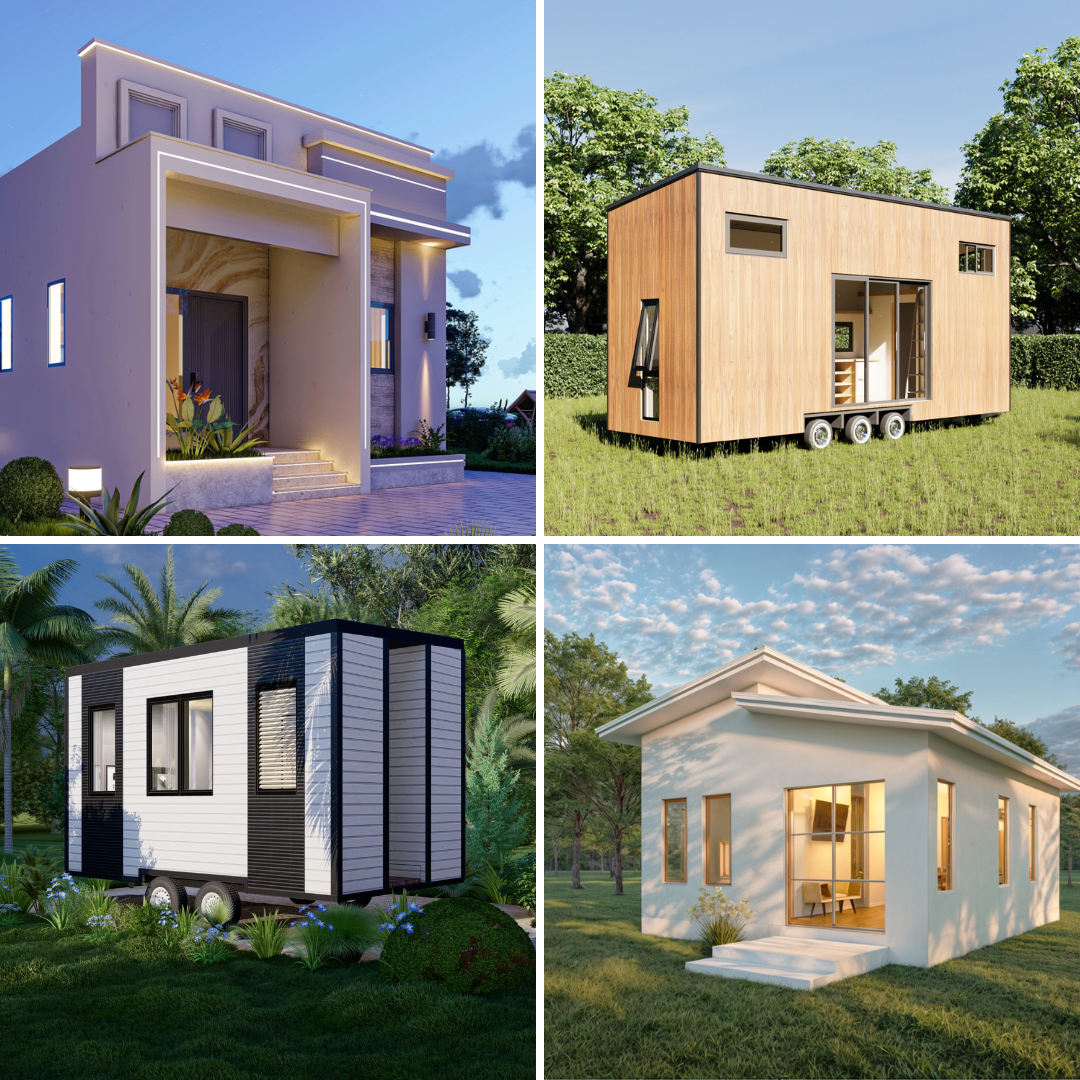
This is the workhorse of small residential design. A single story, usually two or three bedrooms, with a front porch that extends the living area seasonally. When designed well, these plans feel timeless rather than modest. The key is proportion — rooms that are the right shape rather than simply smaller versions of conventional layouts.
The Loft-Style Cottage (600–900 sq ft)
Popular in vacation markets and urban infill contexts, this typology leans into vertical space. The main living area occupies the ground floor with high ceilings and large windows, while a sleeping loft above handles the private program. These plans work especially well on narrow lots or where views need to be maximized.
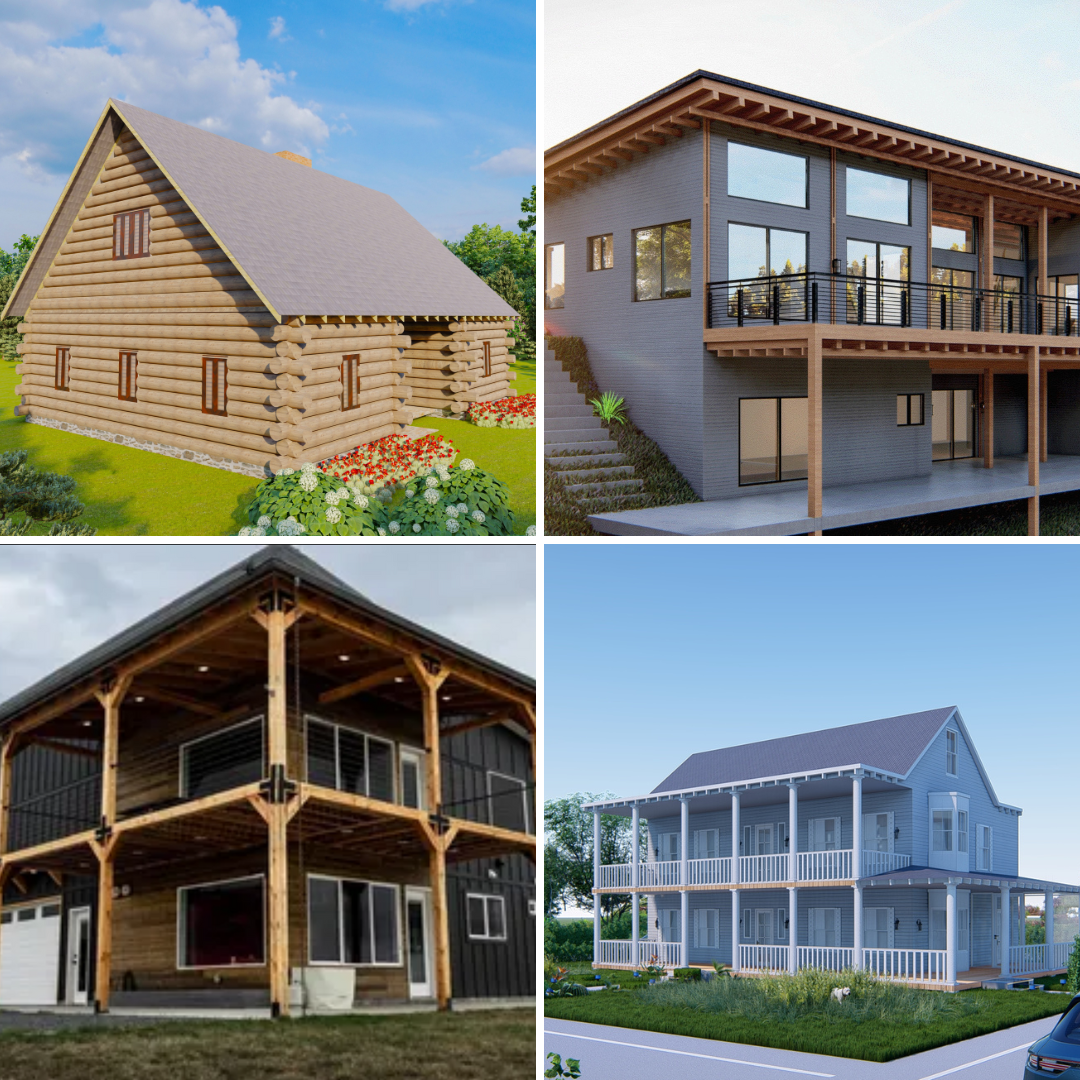
The Two-Story Narrow Plan (1,000–1,400 sq ft)
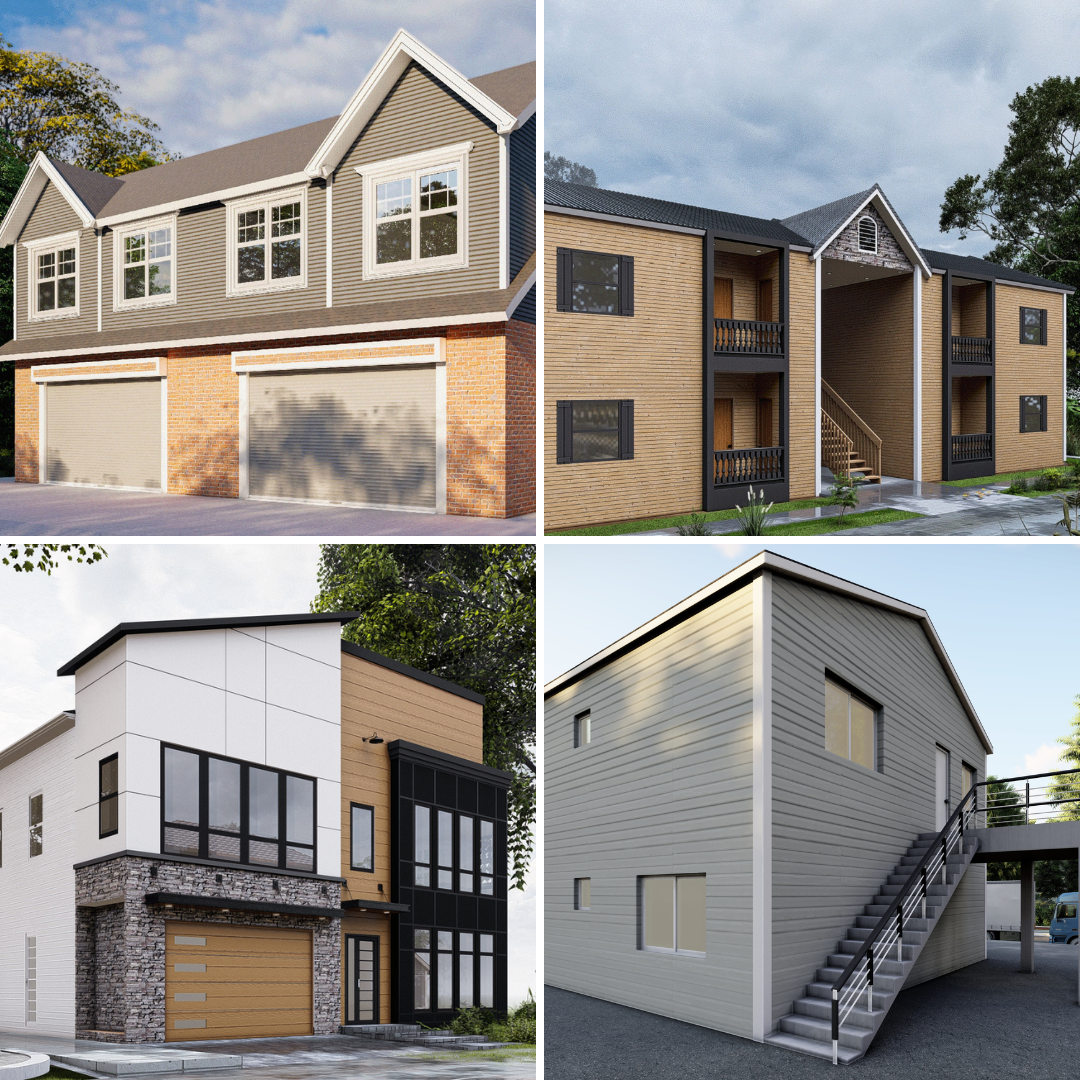
A compact footprint that goes vertical. This approach minimizes the foundation and roof — two of the most expensive elements in construction — while delivering more usable area. The challenge is stair placement and the separation of living and sleeping zones, but experienced plan designers handle this efficiently.
What to Look for in a Quality Small House Plan
Not all plans are created equal. Before purchasing or committing to a design, it's worth scrutinizing a few things that don't always show up in the renderings.
Window placement relative to furniture layout. A plan that puts a window in the center of a wall leaves no room for a bed or sofa. Look at how the designer has thought about furnishing the rooms, not just the room shapes themselves.
Bathroom efficiency. In small homes, bathrooms are often where plans fall apart. Doors that swing awkwardly, fixtures crammed without circulation space, no linen storage. A well-designed small bathroom has everything it needs and nothing it doesn't.
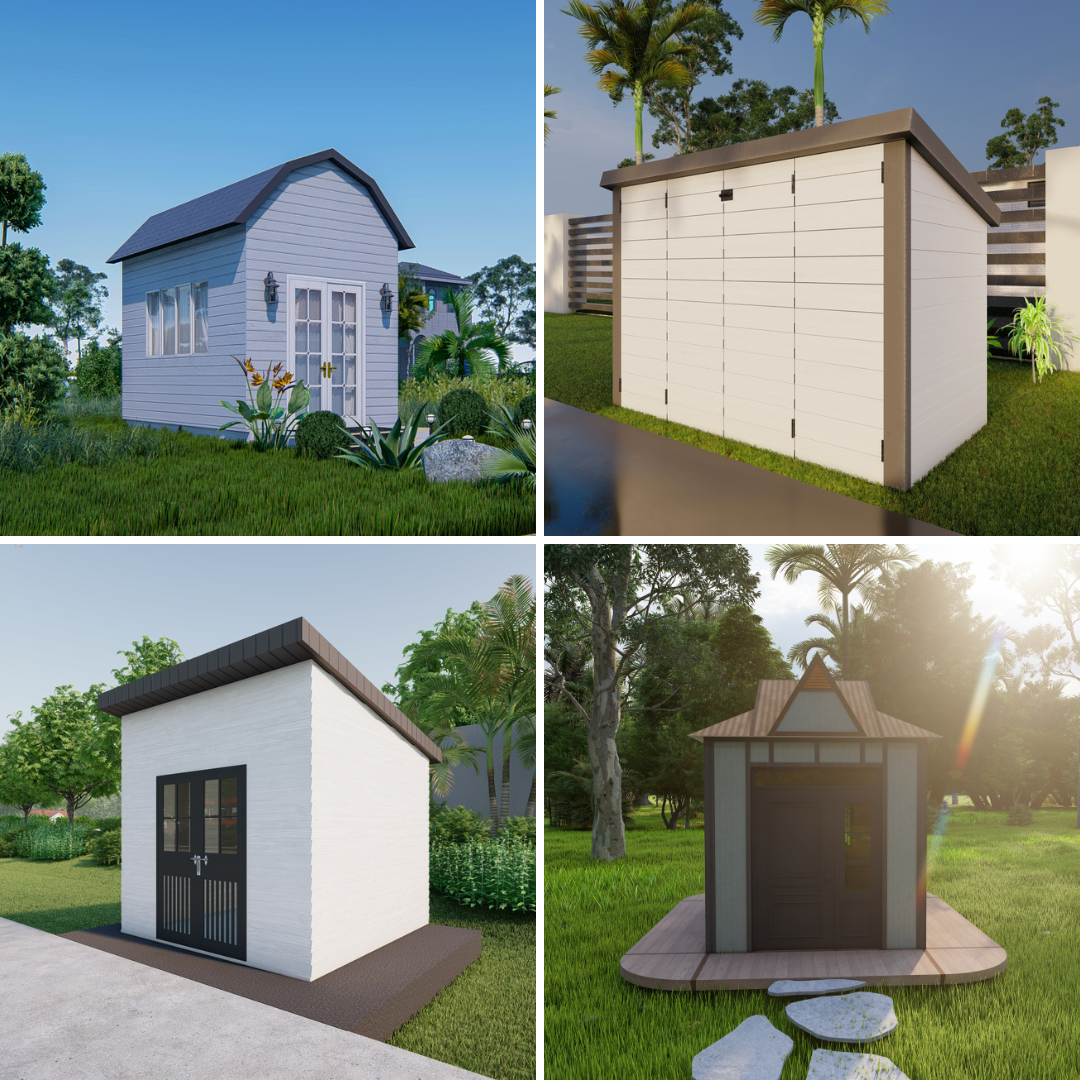
Outdoor connection. The best small house plans borrow space from the outside. A covered porch, a small deck off the kitchen, or even a well-placed French door to a patio extends the livable area in a way that doesn't show up on the floor plan square footage.
Structural simplicity. Complicated rooflines and non-rectangular floor plans cost significantly more to build. A clean, simple structural design keeps construction costs predictable and makes contractor pricing easier to trust.
Making the Plan Work for Your Lot
Even an excellent small house plan needs to be evaluated against the specifics of your site. Orientation matters — a plan designed with the main living areas facing south will perform very differently if you rotate it 180 degrees on a north-facing lot. Setback requirements, utility locations, slope, and existing trees all influence how a plan gets placed and whether it needs adaptation.
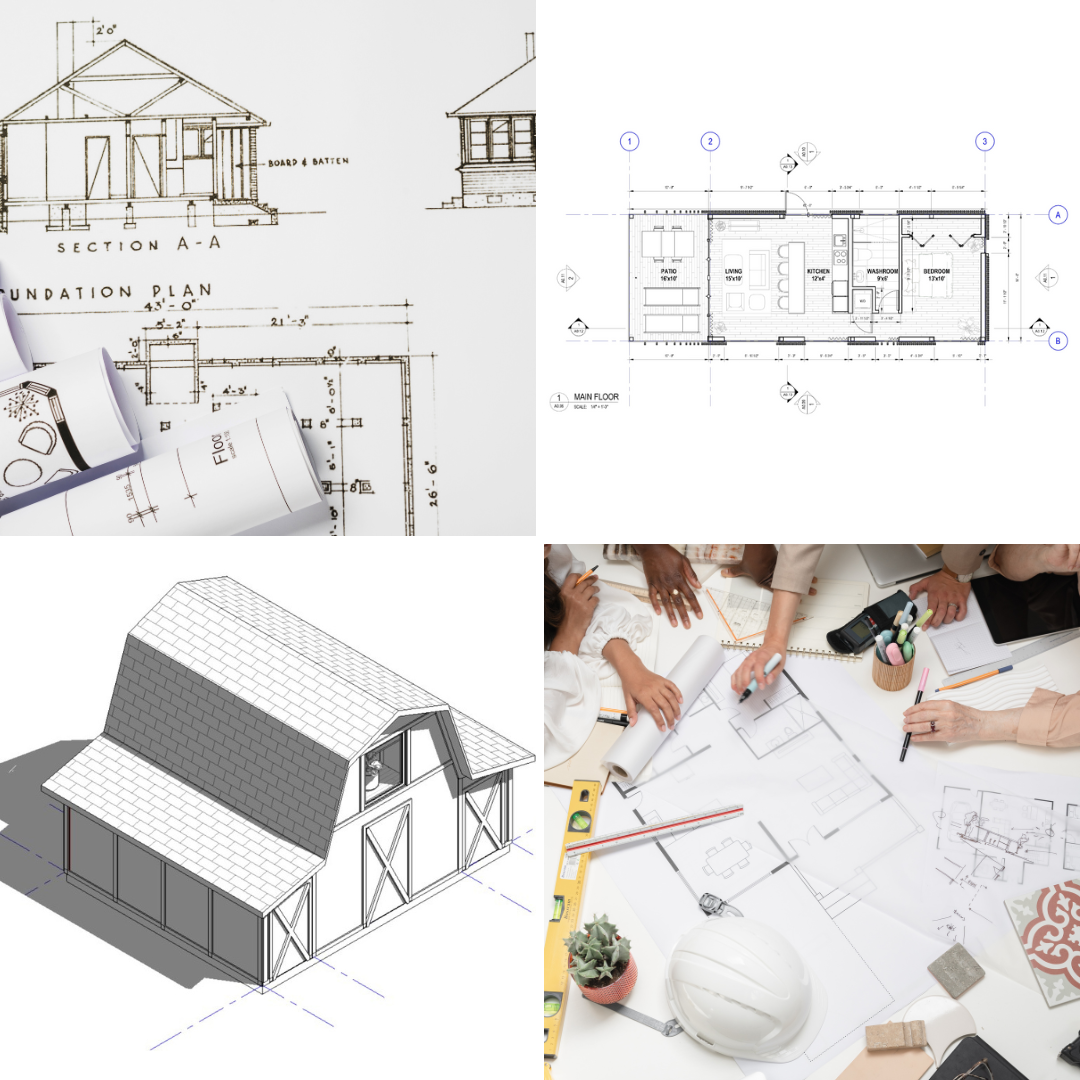
This is where having a clear, complete set of drawings pays off. A professional plan package includes not just floor plans and elevations, but foundation details, framing plans, and enough information for a contractor to price the job accurately.
Ready to See What's Possible?
The best way to understand what small house design can look like for your situation is to explore plans that have already solved the problems you're facing. Whether you're working with a tight budget, a challenging lot, or simply want a home that's easier to maintain, there are plans designed specifically for those constraints.
[Browse our full collection of small house plans here → https://revitbuildersworkshop.com/]