
Small House Plans Under 1,000 Sq Ft: Big Living in a Small Footprint
Share
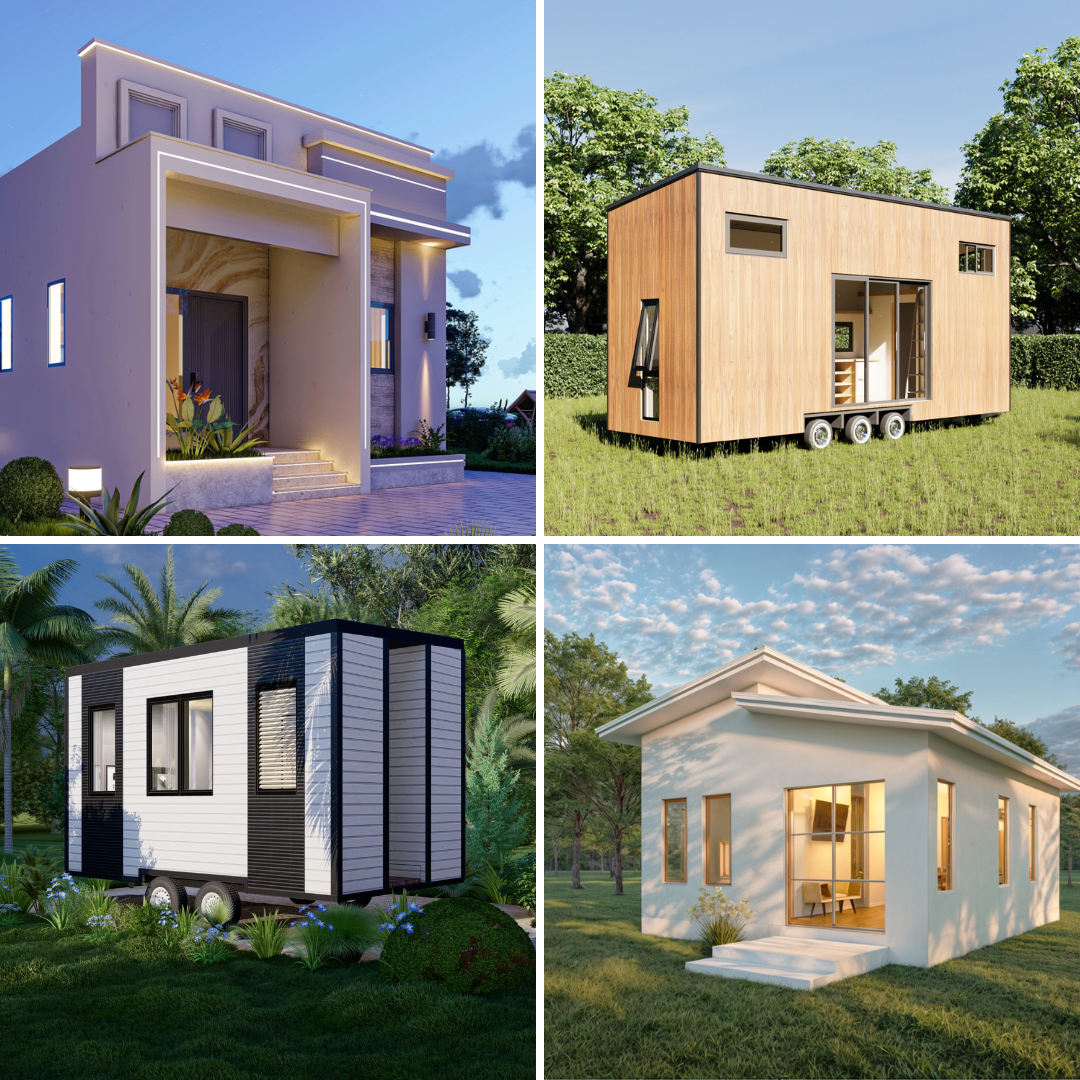
The tiny home revolution isn't slowing down — and for good reason. Small house plans under 1,000 square feet offer an increasingly attractive alternative to sprawling, expensive builds. They cost less to construct, less to heat and cool, less to maintain, and far less to furnish. But "small" doesn't have to mean cramped. With smart design, a 700–1,000 sq ft home can feel spacious, functional, and genuinely beautiful.
In this post, we'll explore what makes small home plans work, which layouts perform best under 1,000 square feet, and what you should look for before purchasing or building a compact home plan.
Why Small House Plans Are More Popular Than Ever
The average American home size peaked at over 2,600 square feet in the mid-2010s. Since then, a quiet but powerful shift has taken hold. Younger buyers, retirees, and minimalist-minded homeowners are increasingly drawn to smaller, smarter homes for several compelling reasons:
- Lower construction costs. Building costs are typically calculated per square foot — fewer square feet means a dramatically lower total project cost.
- Reduced energy consumption. A 900 sq ft home requires a fraction of the heating and cooling energy of a 2,500 sq ft house.
- Easier maintenance. Less space to clean, fewer systems to maintain, and simpler landscaping needs.
- Minimal mortgage burden. Lower build costs translate to smaller loans and faster payoff timelines.
- Environmental footprint. Compact homes use fewer materials to build and fewer resources to operate.
The Best Layouts for Under 1,000 Square Feet
Not every floor plan translates well to a small footprint. The most successful small house layouts share a few key characteristics: open-plan living areas, multi-purpose spaces, generous natural light, and minimal wasted hallway square footage.
Open-concept kitchen/living/dining is the gold standard for small homes. By eliminating the walls between these three zones, the combined space feels significantly larger than any individual room would. Sight lines extend the full depth of the home, and natural light can travel across the entire living area.
Single-story plans work especially well under 1,000 sq ft. Multi-story designs require staircases that consume 80–120 sq ft per level, a significant tax on a small footprint. Ranch-style and bungalow plans typically offer the best efficiency at this scale.
Split-bedroom designs — where the master bedroom sits on one end of the home and secondary bedrooms on the other — provide privacy disproportionate to the home's size and are highly effective in 2-bedroom small plans.
Popular Small Home Styles That Work Under 1,000 Sq Ft
Architectural style still matters at small scale. Some of the most popular and market-tested small house styles include:
- Craftsman bungalow — low-pitched rooflines, covered porches, and natural materials. The 2-bed/1-bath Craftsman bungalow is arguably the most enduring small home form in North American architecture.
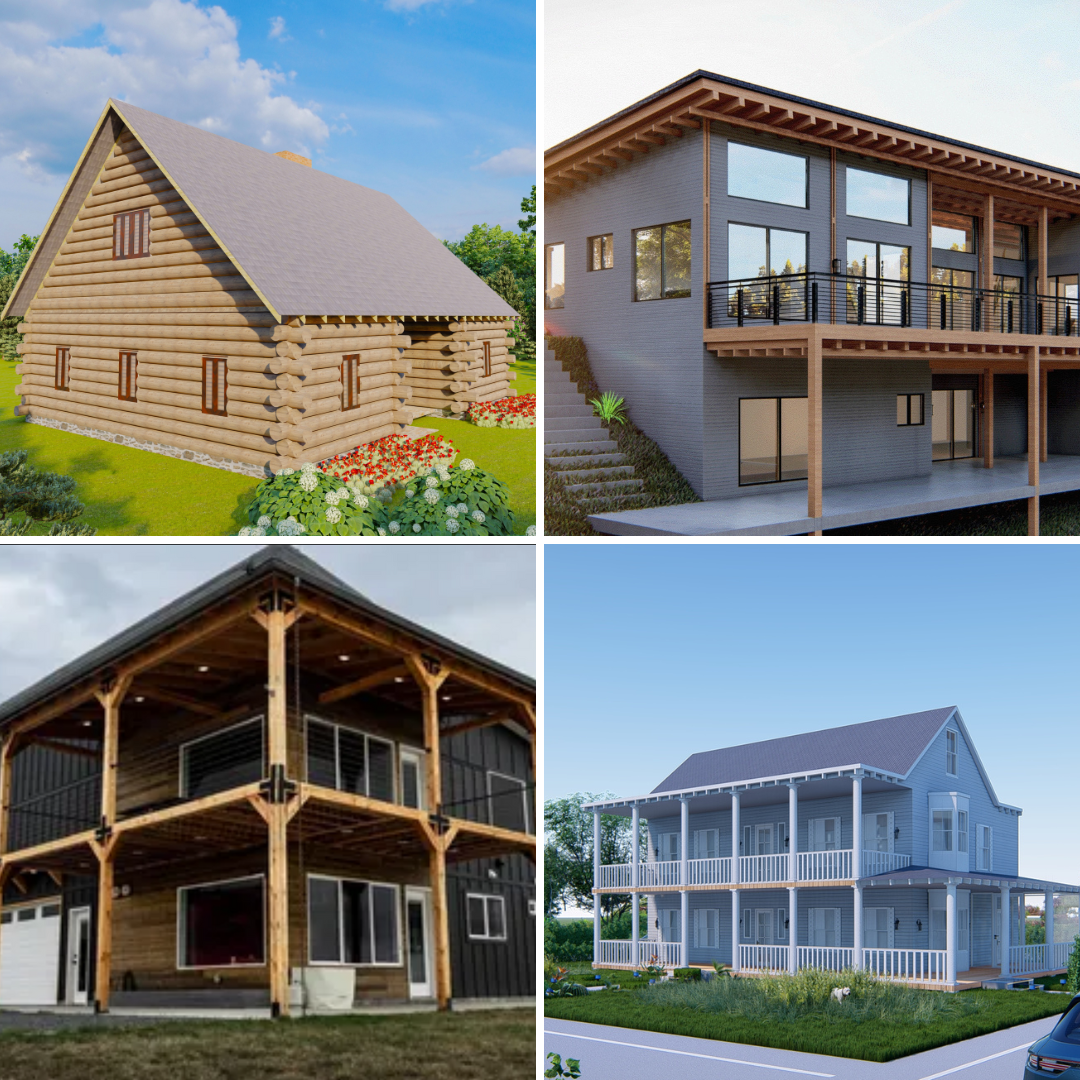
- Modern farmhouse — board-and-batten siding, metal roofs, and open interiors. Extremely popular on platforms like Pinterest and Houzz, making these plans easy to market and sell.
- Cottage style — steep rooflines, dormer windows, and charming curb appeal. Cottages often punch well above their square footage in perceived character.
- Scandinavian/Nordic minimal — simple forms, large windows, and interior simplicity. These plans are increasingly popular with design-forward, sustainability-conscious buyers.
Must-Have Features in Any Small Home Plan
When evaluating small house plans, keep a critical eye on these design elements that separate excellent compact designs from merely adequate ones:
- 9-foot or higher ceilings — vertical volume dramatically increases perceived space
- Abundant window placement, including high windows for privacy while maintaining light
- Built-in storage integrated into walls, under stairs, and in bedroom niches
- A covered porch or deck that effectively extends the living area outdoors
- Laundry closet or stacked washer/dryer to eliminate a dedicated laundry room
- Open kitchen with island seating that doubles as dining for 4
ADU and Guest Cottage Opportunities
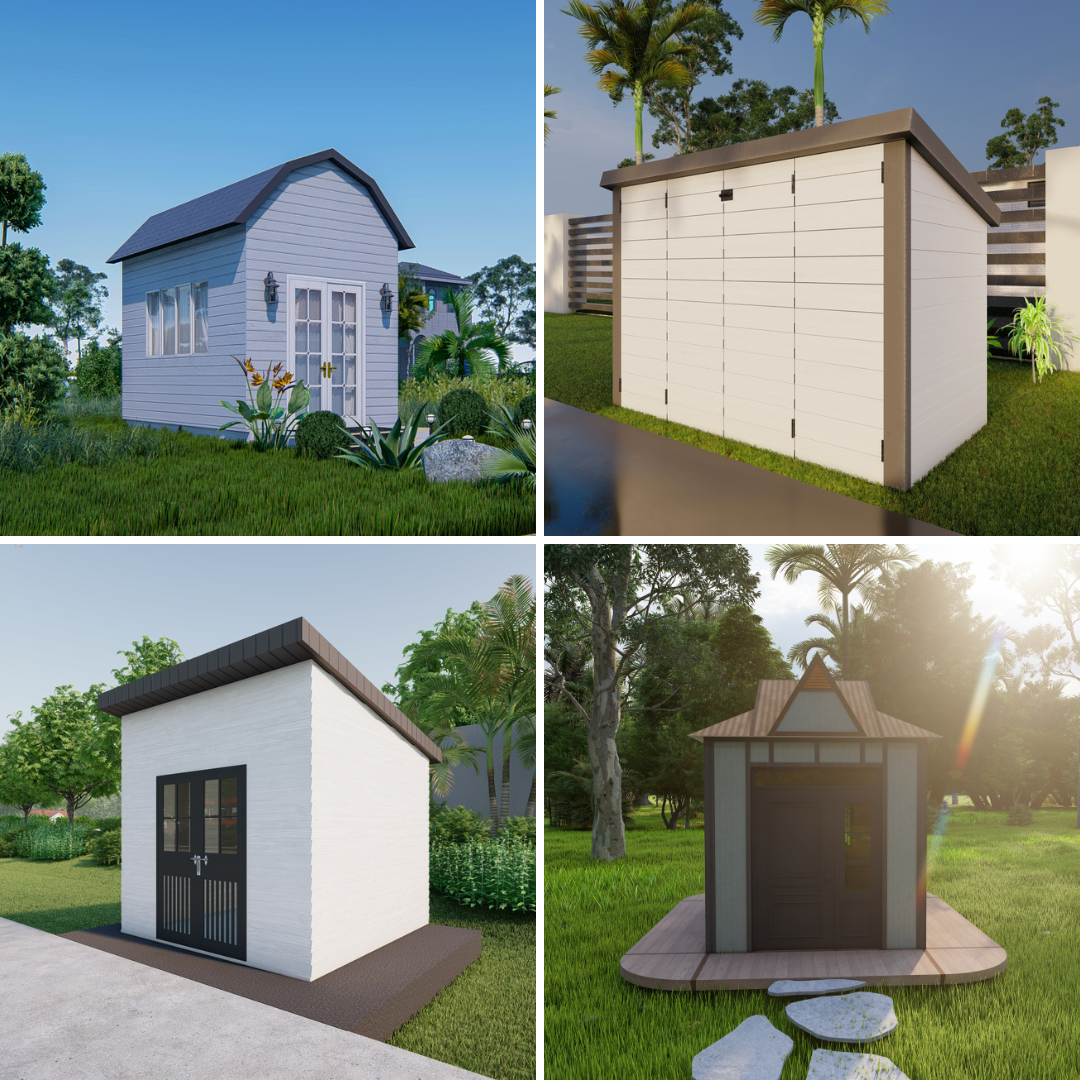
Many small house plans under 1,000 sq ft double as excellent accessory dwelling units (ADUs). With municipalities across North America increasingly loosening ADU regulations, a well-designed 600–800 sq ft plan on a secondary lot or behind a primary residence can generate rental income while adding property value.
"The most liberating thing about designing small is that every square inch has to earn its place. The result is almost always a more intentional, more livable home."
Permitting and Building Code Considerations
Small homes are subject to the same building codes as larger structures, but their compact size can create specific challenges. Egress window requirements, minimum ceiling heights in habitable spaces, and bathroom ventilation rules all apply regardless of overall square footage. When purchasing pre-designed plans, always verify that the design has been drawn to your local code — or that it can be adapted without major structural changes.
What to Look for When Buying a Small House Plan
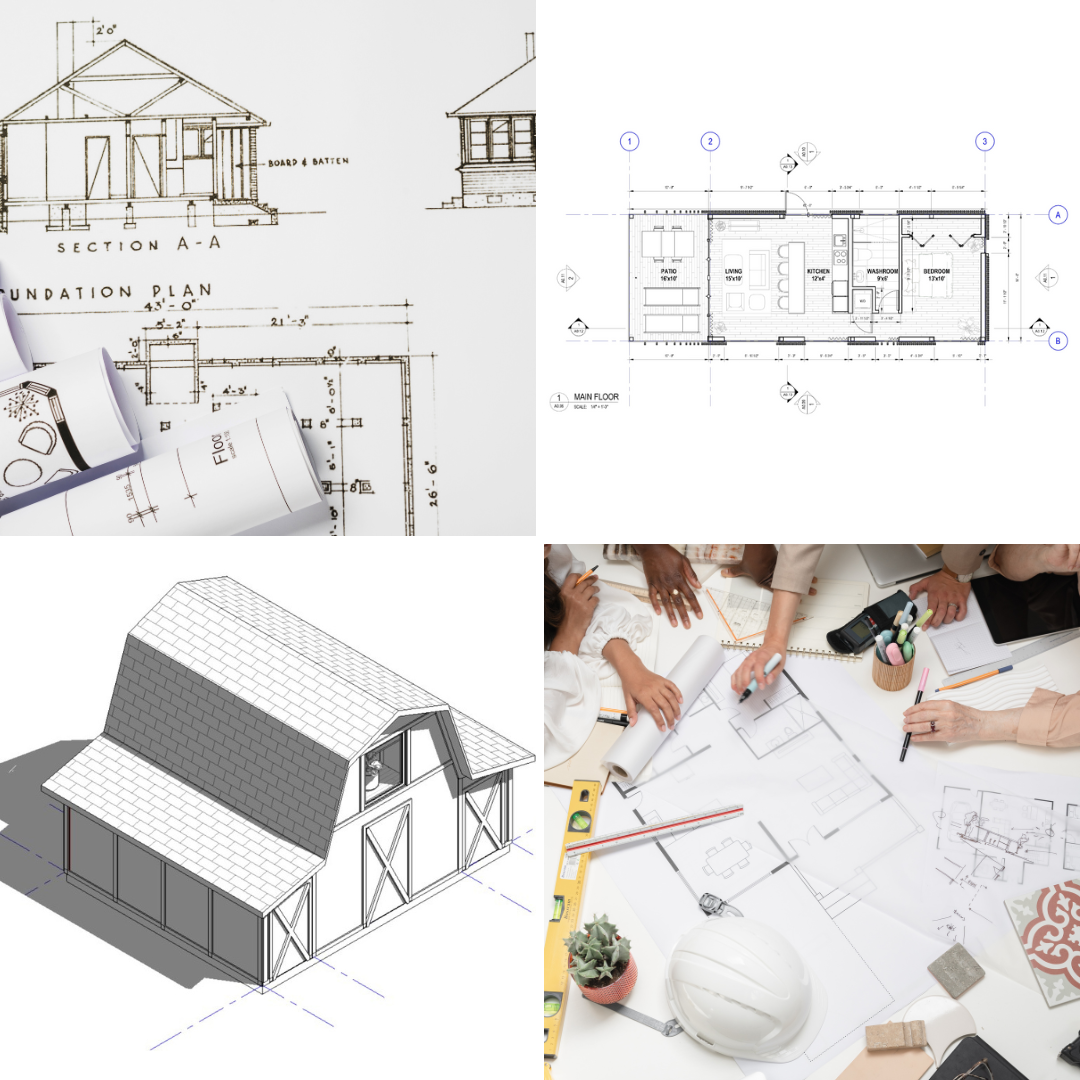
Not all plan packages are created equal. A high-quality small house plan should include: a site plan or plot plan, a detailed floor plan with dimensions, all four exterior elevations, wall section details showing insulation and construction assembly, a foundation plan (slab, crawlspace, or basement), and a roof plan showing pitch and drainage direction. Electrical and plumbing rough-in plans are a bonus but may require local engineering to finalize.
Browse Our Small House Plan Collection
From 400 sq ft cottages to 950 sq ft modern farmhouses — our plans are designed for real-world builders with real-world budgets. Every plan is detailed, permit-ready, and professionally drafted.
View Small House Plans →Final Thoughts
Small house plans under 1,000 square feet represent one of the most exciting areas in contemporary residential design. As land costs rise, sustainability becomes more urgent, and lifestyles continue to simplify, the demand for well-designed compact homes is only growing. The key is finding — or creating — a plan that makes every square foot count.
A great small home isn't a compromise. It's a deliberate choice to live with intention. And that starts with the right plan.