
How Much Does It Cost to Build a House in 2025? Complete Cost Breakdown
Share
If you're planning to build a home in 2025, you're likely confronting one of the most important and confusing financial questions of your life: how much is this actually going to cost? The honest answer is that building costs vary enormously — by region, by home size, by finish level, and by who builds it. But with the right framework, you can get a solid handle on what to budget.
In this guide, we'll break down the full cost of building a house in 2025, category by category, with realistic numbers based on current construction industry data.
The National Average — A Starting Point
According to 2025 construction industry data, the average cost to build a new home in the United States ranges from $150 to $400 per square foot for the construction alone — not including land. That means a 1,500 sq ft home costs between $225,000 and $600,000 to build depending on location and finish level, while a 2,500 sq ft home ranges from $375,000 to $1,000,000+.
In Canada, comparable costs range from CAD $200 to $500+ per square foot in major urban markets (Toronto, Vancouver), with rural and Prairie builds running somewhat lower.
Full Cost Breakdown by Category
Here's how a typical 1,500 sq ft mid-range home breaks down by major cost category in 2025:
| Cost Category | % of Total | Estimated Cost |
|---|---|---|
| Land & Site Preparation | 16–25% | $30,000–$80,000+ |
| Foundation | 8–12% | $20,000–$45,000 |
| Framing & Structure | 15–20% | $50,000–$90,000 |
| Exterior Finishes (siding, roofing, windows) | 12–15% | $35,000–$60,000 |
| HVAC (heating/cooling/ventilation) | 6–8% | $15,000–$30,000 |
| Electrical | 5–7% | $12,000–$25,000 |
| Plumbing & Mechanical | 5–7% | $12,000–$25,000 |
| Interior Finishes (flooring, cabinets, paint) | 20–25% | $50,000–$100,000 |
| Permits, Plans & Inspections | 1–3% | $3,000–$15,000 |
| Contingency (10%) | 10% | $25,000–$50,000 |
| TOTAL ESTIMATED BUILD COST | — | $252,000–$520,000 |
Land: The Wild Card
Land costs are perhaps the most variable element of any home build and are entirely separate from construction costs. In rural or semi-rural locations, serviced building lots may be available for $50,000–$150,000. In established suburban markets, expect $150,000–$400,000+ for a single-family lot. In major urban infill markets (Vancouver, Toronto, Los Angeles), buildable lots can exceed $600,000 to $1,000,000+ — sometimes making the land more expensive than the house itself.
Foundation Types and Costs
Your foundation type is determined largely by your climate, soil conditions, and local code requirements — but it has a significant impact on your budget:
- Concrete slab: $5–$14 per sq ft — most cost-effective, common in warm climates
- Crawlspace: $8–$21 per sq ft — provides access to mechanical systems, common in moderate climates
- Full basement: $18–$30 per sq ft — most expensive, but adds significant usable square footage
- Walkout basement: $20–$35 per sq ft — ideal on sloped lots, adds excellent value and livability
Where Cost Overruns Happen
The gap between initial budget and final cost is one of the most common — and painful — experiences in custom home building. The categories most likely to cause overruns include:
"Most clients underestimate interior finishes by 30–40%. That's where people get excited and start upgrading — one tile, one fixture, one appliance at a time."
- Interior finishes — flooring, cabinetry, countertops, tile, and appliances are the most variable cost category and the most frequently upgraded mid-build
- Site work — unforeseen rock, poor drainage, steep grades, or utility distances add up quickly
- Permit delays — extended timelines mean carrying costs on construction financing
- Material price changes — lumber, steel, and concrete have all seen significant volatility in recent years
How to Reduce Building Costs Without Cutting Corners
Smart cost management in home building starts at the design stage. A well-designed, efficient floor plan costs less to build than a sprawling plan with the same square footage. Specifically:
- Simple rectangular or L-shaped footprints are cheaper to build than complex forms with multiple bump-outs
- Single-story homes typically cost less per square foot to build than two-story equivalents in the same size range
- Concentrating plumbing on one or two walls (kitchen and bathrooms back-to-back or stacked) reduces pipe runs significantly
- Standard-size lumber dimensions (avoiding unusual ceiling heights that require custom framing) reduce both material and labor
- Purchasing pre-drawn house plans rather than commissioning a fully custom architectural design can save $5,000–$30,000 in design fees
The Value of a Good House Plan
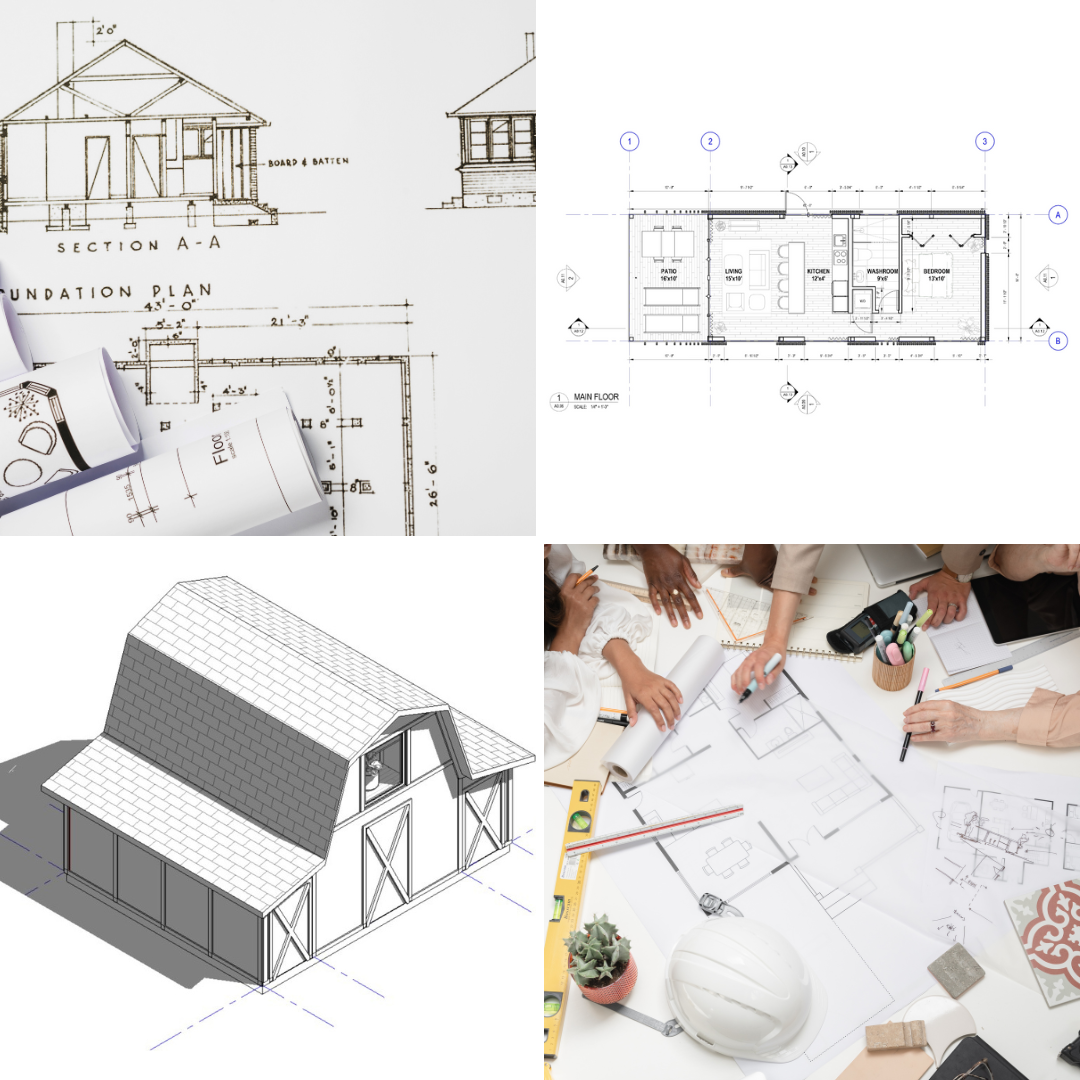
A high-quality house plan is one of the most cost-effective investments in your build. A well-designed plan reduces contractor questions, minimizes change orders, enables accurate competitive bidding, and catches constructability issues before the first shovel breaks ground. Plan fees typically represent less than 1% of total build cost — but their impact on the project's success is far greater than that fraction suggests.
Start With a Professional House Plan
Browse our collection of permit-ready, professionally designed home plans starting from just a few hundred dollars. A great plan is the foundation of a successful build — and a smart investment that pays dividends throughout construction.
Browse Home Plans →Final Thoughts
Building a home in 2025 is a significant undertaking — but with accurate budgeting, a good plan, and a clear-eyed understanding of where costs come from, it's absolutely achievable. The most important thing you can do is build in a realistic contingency (10% minimum), resist the urge to underestimate finishes, and start with a plan designed to be built efficiently.
The foundation of any great home is knowing exactly what you're building — and what it will take to get there.