
Cabin Plans for Every Budget: How to Build Your Off-Grid Escape Without Losing Your Mind
Share
Somewhere between the third Monday morning meeting of the week and the realization that your last real vacation was two years ago, the idea of a cabin starts to feel less like a daydream and more like a plan. Not a resort. Not a rental. Something yours — a place on a piece of land where the silence is real and the nearest neighbor is optional.
The good news is that building a cabin has never been more accessible. The range of available plans, the variety of construction approaches, and the improved understanding of what off-grid systems actually cost have brought cabin ownership within reach for a much wider range of budgets than most people assume.
The challenge is that "cabin" means something different to everyone. Getting clear on what you actually want before you start shopping for plans saves a significant amount of time, money, and frustration.
Define What "Cabin" Means for You
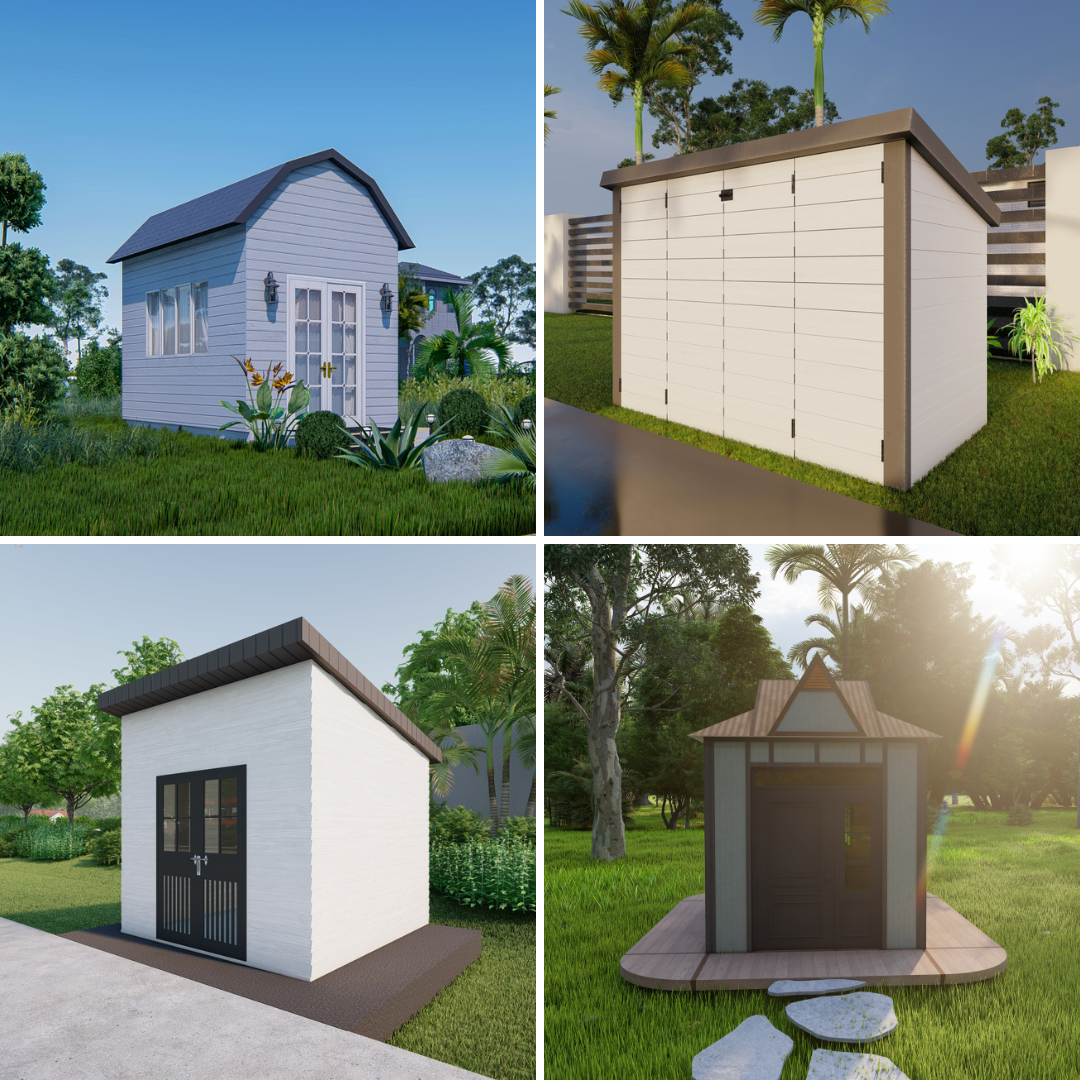
This sounds obvious, but it's genuinely important. The word cabin describes everything from a 200-square-foot hunting shack with a wood stove and no running water to a 2,500-square-foot mountain retreat with radiant floor heating, a chef's kitchen, and a home theater. These are completely different buildings, different budgets, and different design problems.
A few questions worth answering before looking at plans:
How often will you use it? A cabin used two weeks per year and occasional long weekends can be much simpler — and cheaper — than one that functions as a genuine second home. The systems, the insulation levels, and the finish quality can all be calibrated to actual use.
Will you connect to utilities or go off-grid? If your property has access to the grid and municipal water, that simplifies a lot. If you're on raw land with no services, you're making decisions about solar, well water, and septic that have significant cost implications.
Who will build it? A self-build or owner-contractor project can cut costs by 30–50% compared to hiring a general contractor, but it requires time, project management ability, and comfort with the construction process. Be honest about this. A plan that suits a professional build looks different from one optimized for a motivated DIY owner-builder.
What's the site like? Flat and accessible sites with road frontage and minimal clearing are the cheapest to build on. Steep slopes, remote access, rocky soil, and seasonal road closures add cost and complexity. A plan that works well on an easy site may need significant adaptation for a challenging one.
The Most Buildable Cabin Plan Types
The Simple Rectangle (400–800 sq ft)
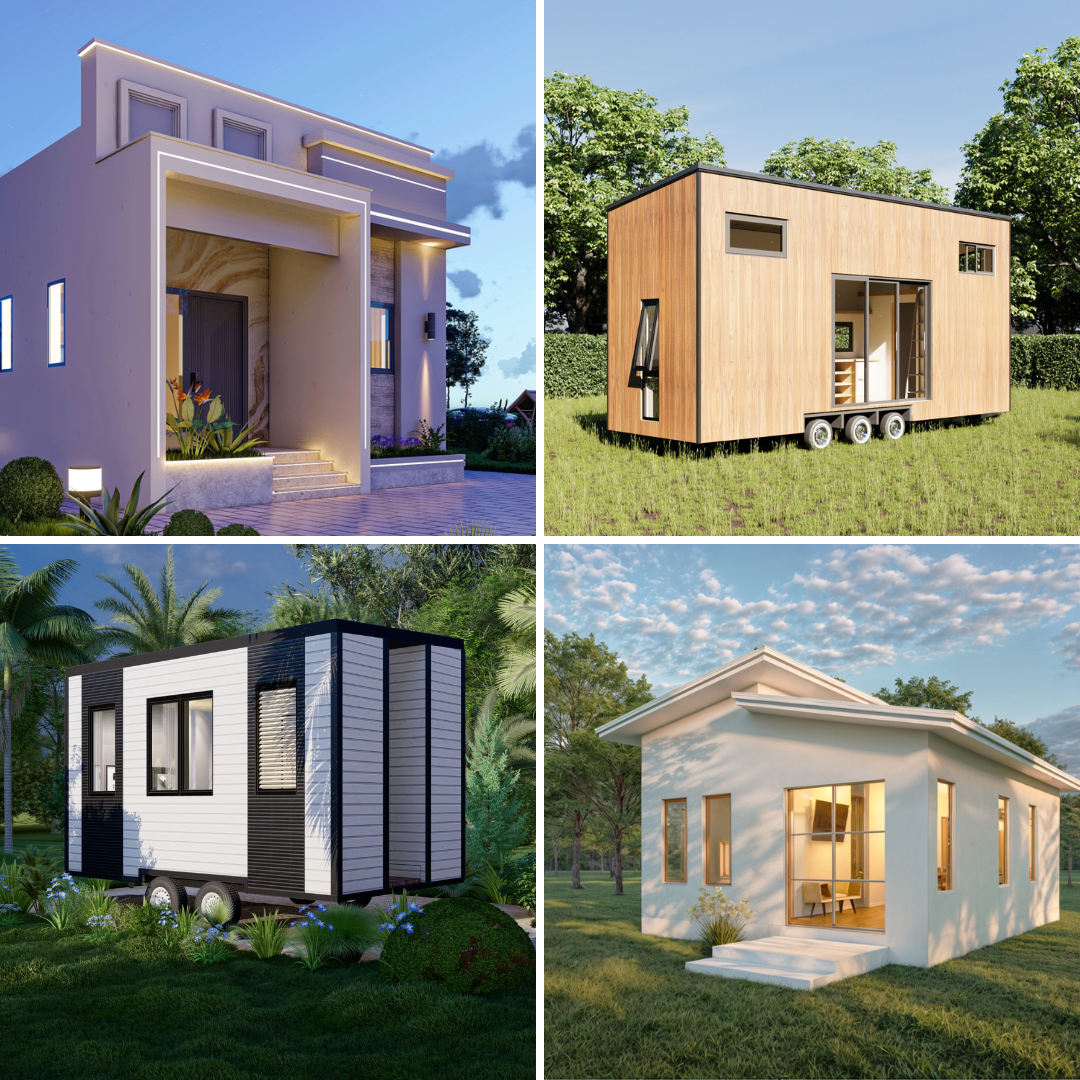
This is where most cabin builds should start, and where many experienced builders still end up. A rectangular plan minimizes foundation costs, simplifies framing, and makes roofing straightforward. Within that rectangle, you can fit a surprising amount of function: a main living area, a small kitchen, a bathroom, and one or two sleeping spaces.
The architectural interest in a simple rectangle comes from proportion, window placement, and exterior cladding choices rather than plan complexity. A shed roof or gable roof at the right pitch, with well-placed windows, reads as deliberately simple rather than merely cheap.
The Loft Cabin (600–1,000 sq ft)
A main floor with an open loft above is one of the most efficient cabin configurations available. It delivers sleeping capacity without dedicating full floor area to a second bedroom, keeps the main living space open and connected, and creates the kind of interior volume that makes a small space feel generous.
Loft cabins work particularly well when the sleeping area doesn't need full privacy — family cabins where the kids sleep in the loft work naturally. For couples or situations requiring privacy, closed bedrooms on a single floor or a full two-story plan serve better.
The Two-Bedroom Cottage (900–1,200 sq ft)
When the cabin is meant to host guests or serve as a genuine second residence, two closed bedrooms with a shared bath and open living area is the right program. This size range can be built efficiently, heats and cools reasonably, and accommodates couples, families, or friend groups without everyone sleeping in the same room.
The Four-Season Cabin (1,000–1,600 sq ft)
If the goal is extended winter use or eventual full-time habitation, the design requirements shift. Better insulation assemblies, mechanical heating systems, and weathertight detailing add cost but change what the building can do. A well-designed four-season cabin built in a cold climate is a fundamentally different structure than a three-season camp.
Budget Benchmarks That Are Actually Useful
Cabin cost estimates online range wildly and are often useless because they don't specify location, finish level, or who's doing the work. Here's a more grounded frame.
Shell-only kit or DIY builds: $60–$120 per square foot. This covers structural materials, roofing, windows, and exterior cladding — but not mechanical systems, interior finishes, or site work.
Contractor-built basic finish: $150–$250 per square foot in most rural markets. This is a complete, livable cabin with standard finishes, basic systems, and competent but not custom construction.
Contractor-built mid-level finish: $250–$400+ per square foot. Better windows, custom cabinetry, tile work, quality fixtures, and more complex structural or mechanical systems.
Site work — clearing, road access, septic, well, foundation — is often the biggest variable and the one most commonly underestimated. Budget $20,000–$80,000 for site preparation depending on conditions, and get actual quotes before committing to a plan.
What Makes a Cabin Plan Worth Buying
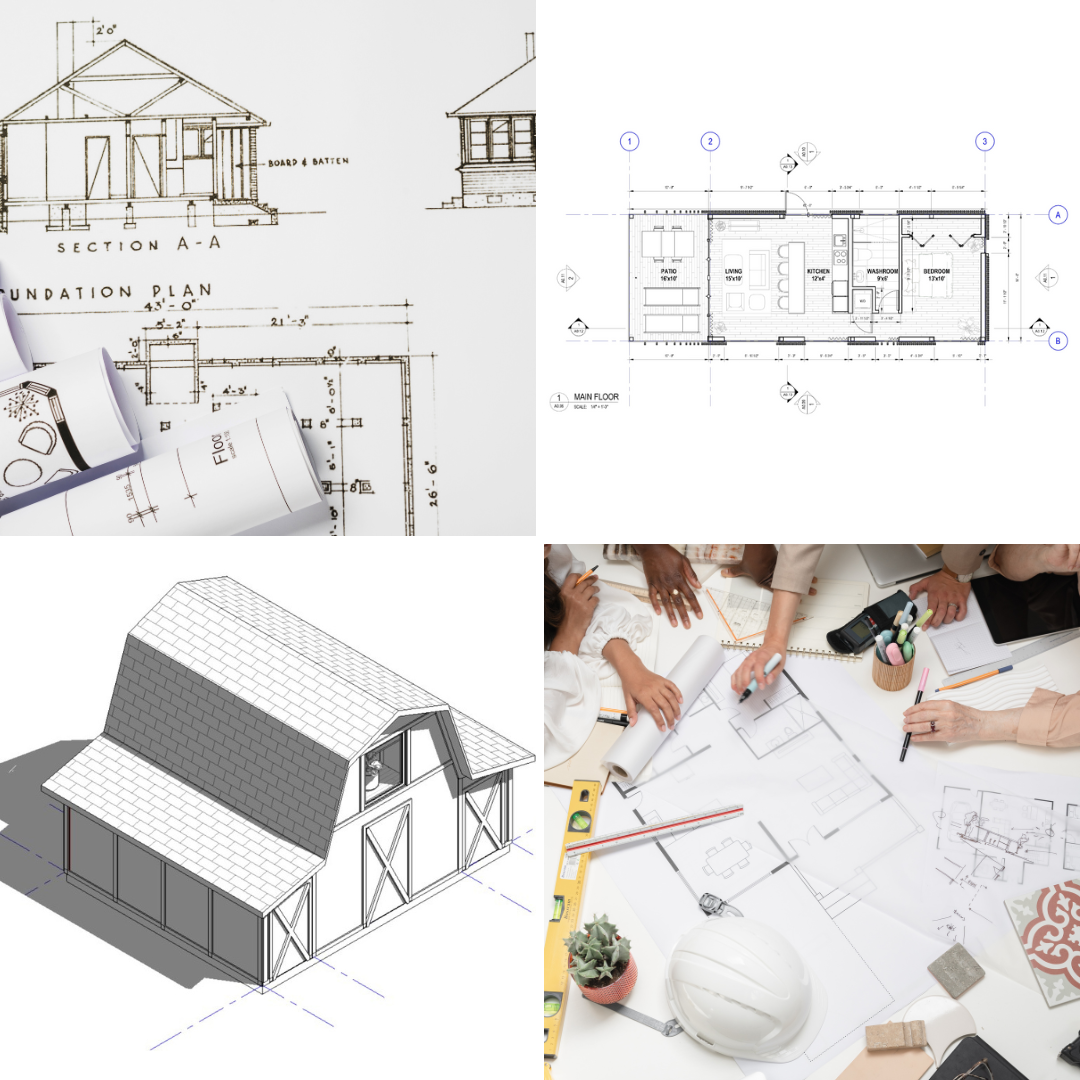
A good cabin plan isn't just a floor plan and a couple of exterior renderings. For a project of this kind — often remote, often owner-managed, often with limited local contractor experience — a complete drawing package is genuinely valuable.
Look for: dimensioned floor plans, all four elevations, at least one building section, foundation plan, framing notes, window schedule, and enough detail for a contractor to bid accurately. Plans that include energy notes and compliance information are especially useful in jurisdictions with code requirements.
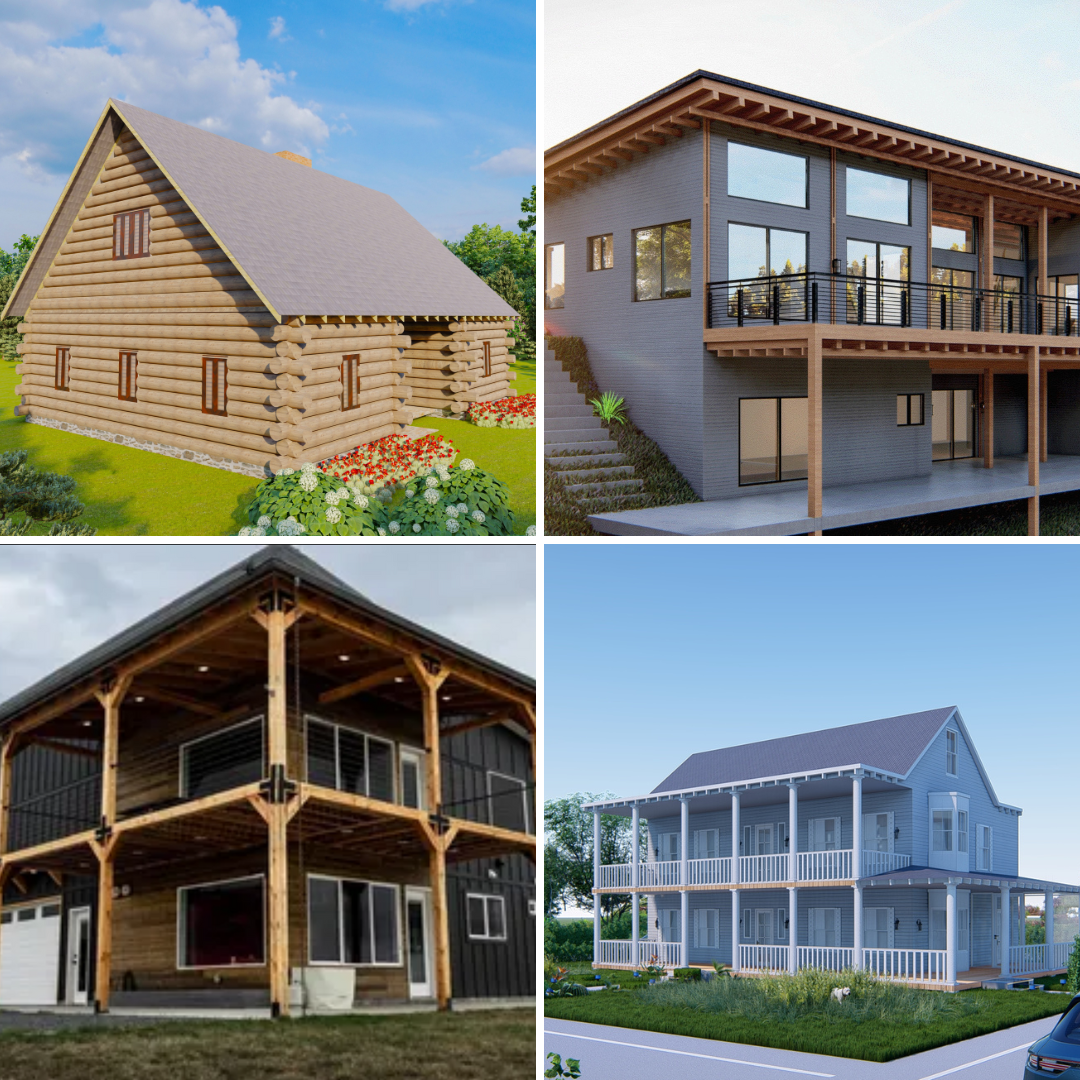
Plans designed for a specific construction method — post-and-beam, log, conventional stick frame, SIP panels — save the adaptation work of applying a generic plan to a specific system.
Find a Plan That Matches Your Vision
The most efficient starting point for a cabin project is a professionally designed stock plan matched to your approximate size, budget, and site type. Adapting a good stock plan to your specific conditions costs a fraction of designing from scratch and delivers a drawing package that's been built before.
[Browse our full cabin plan collection here → https://revitbuildersworkshop.com/]
Plans are available across styles, sizes, and construction approaches — from basic hunting camp layouts to full four-season mountain retreats.