
ADU Plans: The Backyard Building That Pays for Itself
Share
Ask most homeowners what their backyard is doing for them, and you'll get a variation of the same answer: not much. Maybe a lawn that needs mowing, some patio furniture that gets used six weekends a year, a garden that started strong in May and got abandoned by July. For the majority of residential properties in North America, the backyard is the most underutilized asset a homeowner has.
Accessory dwelling units — ADUs — are changing that calculation in a meaningful way.
What an ADU Actually Is
The terminology has gotten a little muddled as ADUs have grown in popularity. At its core, an ADU is a secondary dwelling unit on the same lot as a primary residence. It has its own entrance, its own kitchen or kitchenette, its own bathroom, and its own sleeping area. It functions as a complete, independent living space.
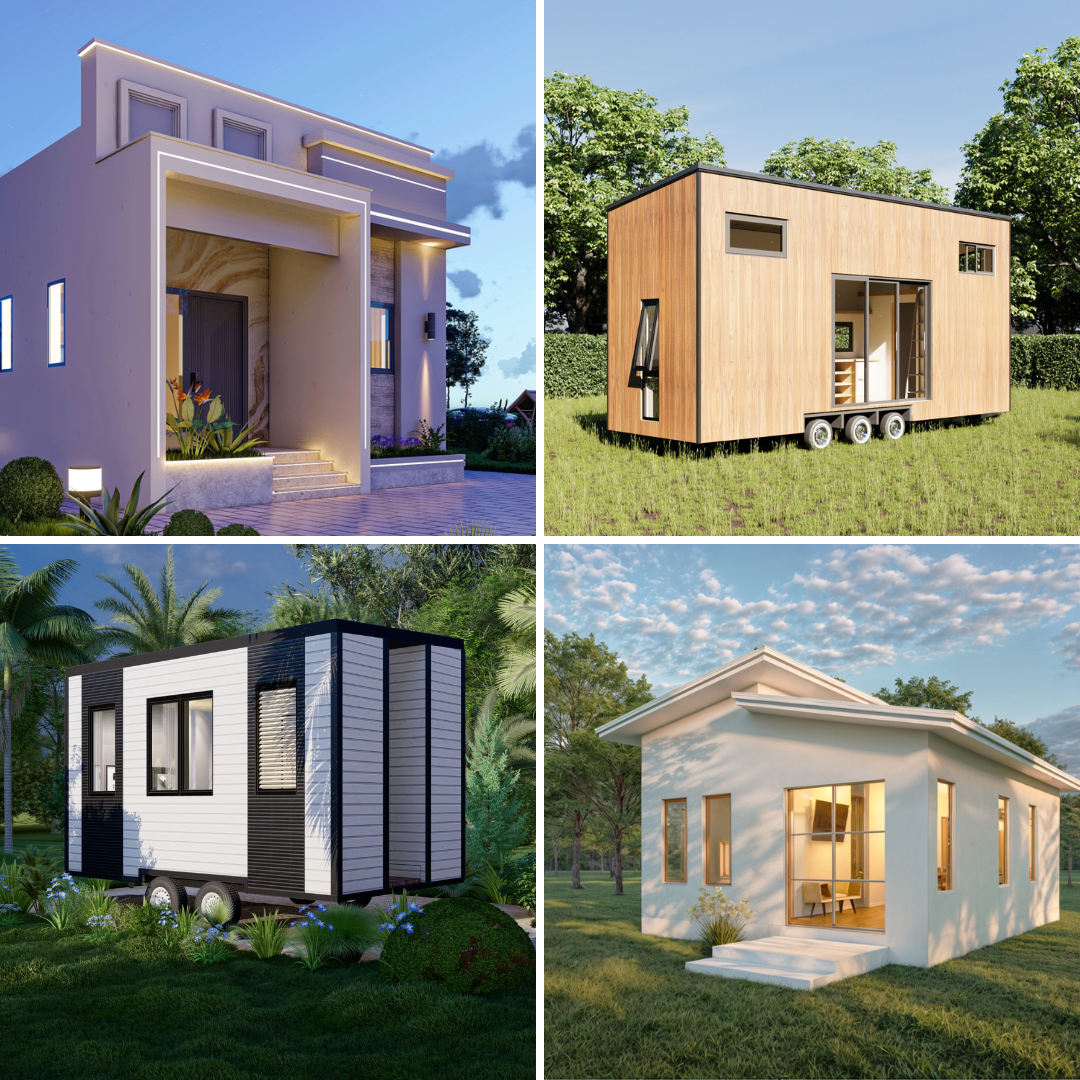
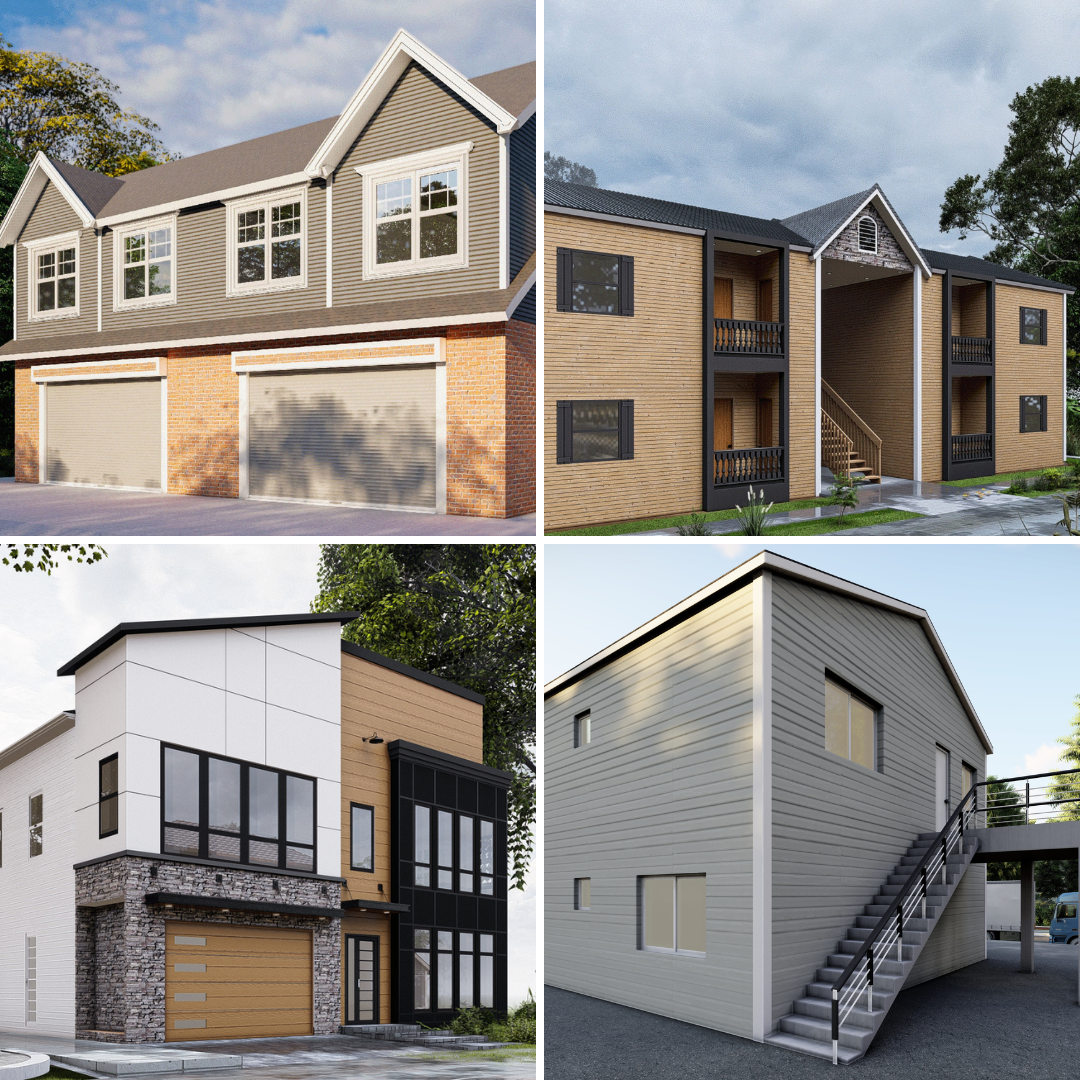
What it looks like in practice varies considerably. A detached backyard cottage is the version most people picture. But ADUs also come as garage conversions, basement suites, above-garage apartments, and attached additions with separate entrances. The right type depends on your lot, your zoning, your budget, and what you actually want to use it for.
The acronym ADU has also spawned a family of related terms — DADU (detached accessory dwelling unit), JADU (junior accessory dwelling unit, which is typically a converted room within the existing home), in-law suite, granny flat, laneway house. These distinctions matter mostly for zoning and permitting purposes. The underlying concept is the same.
The Financial Case Is Hard to Ignore
Let's talk numbers, because the financial argument for ADUs is genuinely compelling and worth understanding clearly.
In most urban and suburban markets, a well-built backyard cottage of 400–600 square feet can be constructed for somewhere between $80,000 and $180,000 depending on location, site conditions, and finish level. That's a wide range, but even at the higher end, the math often works.
In a market where comparable studio or one-bedroom apartments rent for $1,500 per month, a $150,000 ADU investment generates $18,000 in annual gross rental income — a 12% gross yield before expenses. Even after accounting for vacancy, maintenance, and utilities, the net return typically outperforms most passive investment vehicles.
And that's before factoring in the value added to the primary property. Studies in markets with high ADU adoption consistently show that properties with permitted, well-designed ADUs sell at a premium over comparable homes without them. You're not just generating income during ownership — you're building equity that materializes at sale.
For homeowners who don't want to be landlords, the calculation shifts but doesn't disappear. An ADU that houses an aging parent eliminates or reduces care facility costs that can run $3,000–$7,000 per month. An ADU that houses an adult child provides family support while maintaining independence. The financial benefit is real even without a tenant.
Zoning Has Changed — More Than Most People Know
One of the most significant shifts in residential land use policy over the past five years has been the widespread liberalization of ADU regulations. California led the charge with state-level legislation that effectively eliminated most local barriers to ADU construction. Oregon, Washington, and a growing number of other states have followed with similar preemptive frameworks.
In Canada, municipalities from Vancouver to Ottawa have been revising official plans to permit or encourage ADUs as a gentle densification strategy. The federal government has added ADU-friendly financing options through major lenders.
The practical result: if you dismissed ADU construction as a permitting nightmare three or four years ago, it's worth revisiting. The regulatory environment has shifted substantially, and what was once a six-month approval process in many jurisdictions has been streamlined to a matter of weeks.
That said, local rules still vary. Setback requirements, maximum unit size, owner-occupancy requirements, parking provisions, and utility connection standards differ meaningfully from one municipality to the next. Before committing to a plan, a quick call to your local planning department is always worthwhile.
Choosing the Right ADU Plan
The plan selection process for an ADU involves a few layers of consideration that don't come up with primary residence design.
Site constraints come first. How much of your lot is available after setbacks? Is the grade flat enough for a simple slab foundation, or will you need a stem wall or crawlspace? Are there existing trees, utilities, or structures that constrain placement? These questions shape what plan types are even viable before you start comparing layouts.
Use case shapes the program. A unit intended for long-term rental to an unrelated tenant has different design priorities than one meant for a family member. Long-term rental benefits from efficiency, durability, and separation from the main house. A multigenerational suite might prioritize connection — a shared outdoor space, proximity to the main kitchen, accessible design for aging in place.
Construction cost is driven by simplicity. A rectangular plan on a simple foundation with a straightforward roof is significantly less expensive to build than a complex shape. The most cost-effective ADU plans are honest about this — they invest the design energy in proportion, detail, and livability rather than formal complexity.
The 400–600 square foot range is the sweet spot. Below 400 square feet, every square inch requires careful management and some uses become impractical. Above 600, costs climb while the "secondary dwelling" character starts to feel strained. Most professional ADU plan packages concentrate in this range for good reason.
What a Complete ADU Plan Package Should Include
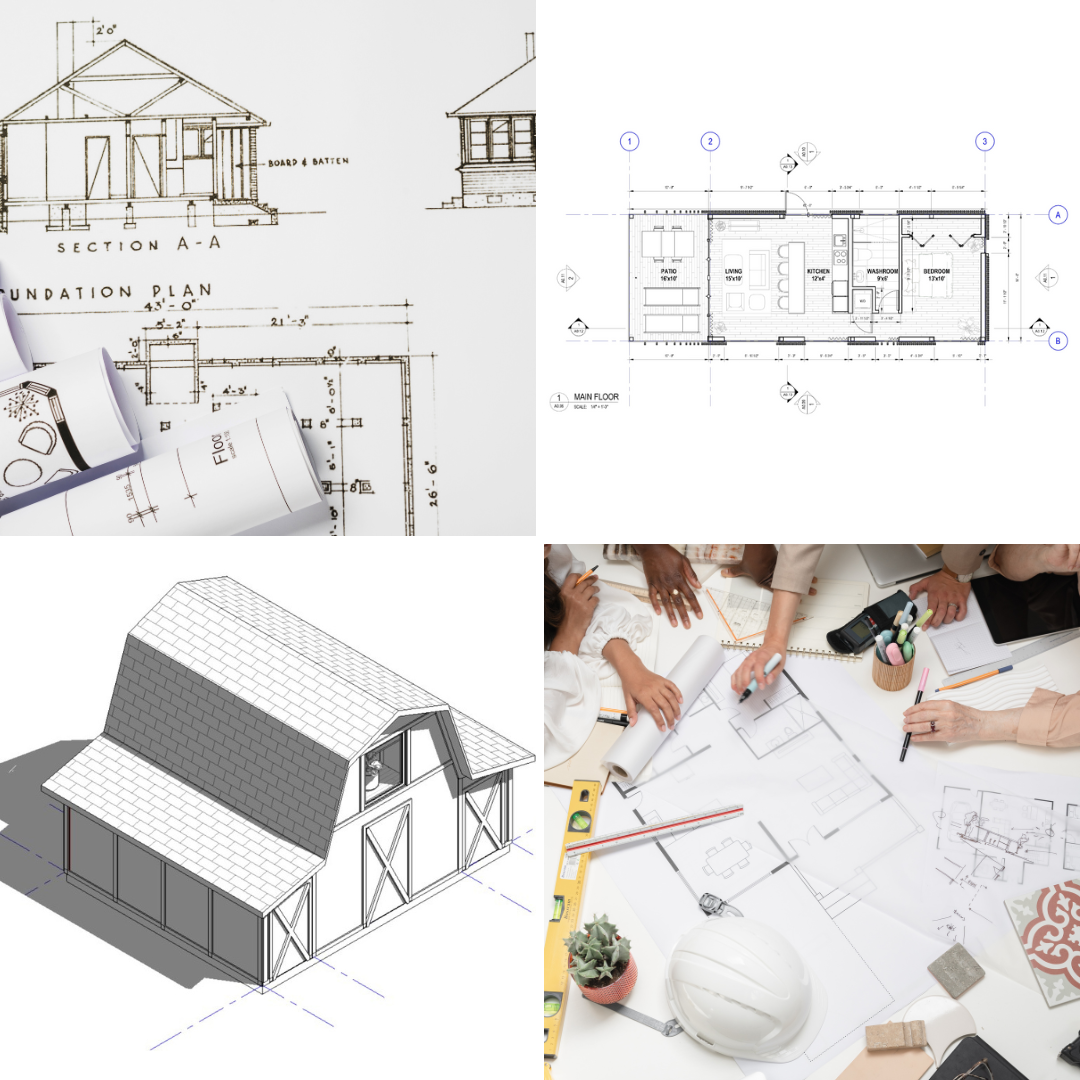
When you purchase or commission an ADU plan, the drawing package needs to include more than a floor plan and a couple of elevations. For permit submission and contractor pricing, you'll typically need:
- Site plan showing the ADU location relative to property lines, the primary dwelling, and existing site features
- Complete floor plans at a standard scale
- All four exterior elevations
- Building sections showing interior heights, roof structure, and floor assembly
- Foundation plan
- Framing/structural notes
- Window and door schedules
- Electrical layout (at minimum a single-line diagram)
- Energy compliance documentation where required
A plan package that includes all of these is worth meaningfully more than one that doesn't, both in time saved during permitting and in accuracy of contractor bids.
Start With a Plan That's Already Solved the Hard Problems
The most efficient path to an ADU — especially for homeowners going through the process for the first time — is a professionally designed stock plan rather than a fully custom design. Stock plans have been developed and refined with real construction feedback, priced by actual contractors, and in many cases already permitted in multiple jurisdictions.
[Explore our ADU plan collection here → http://www.revitbuildersworkshop.com/]
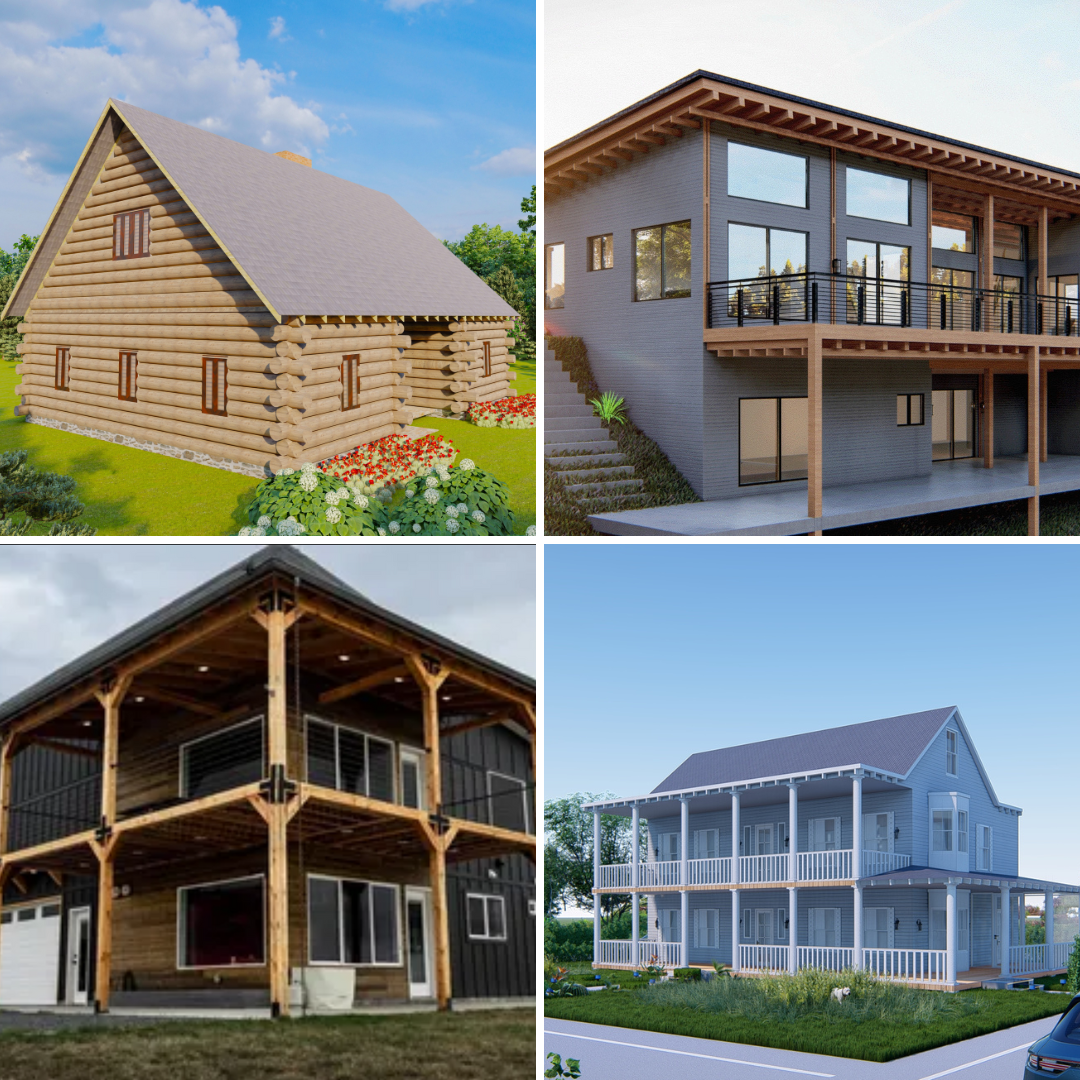
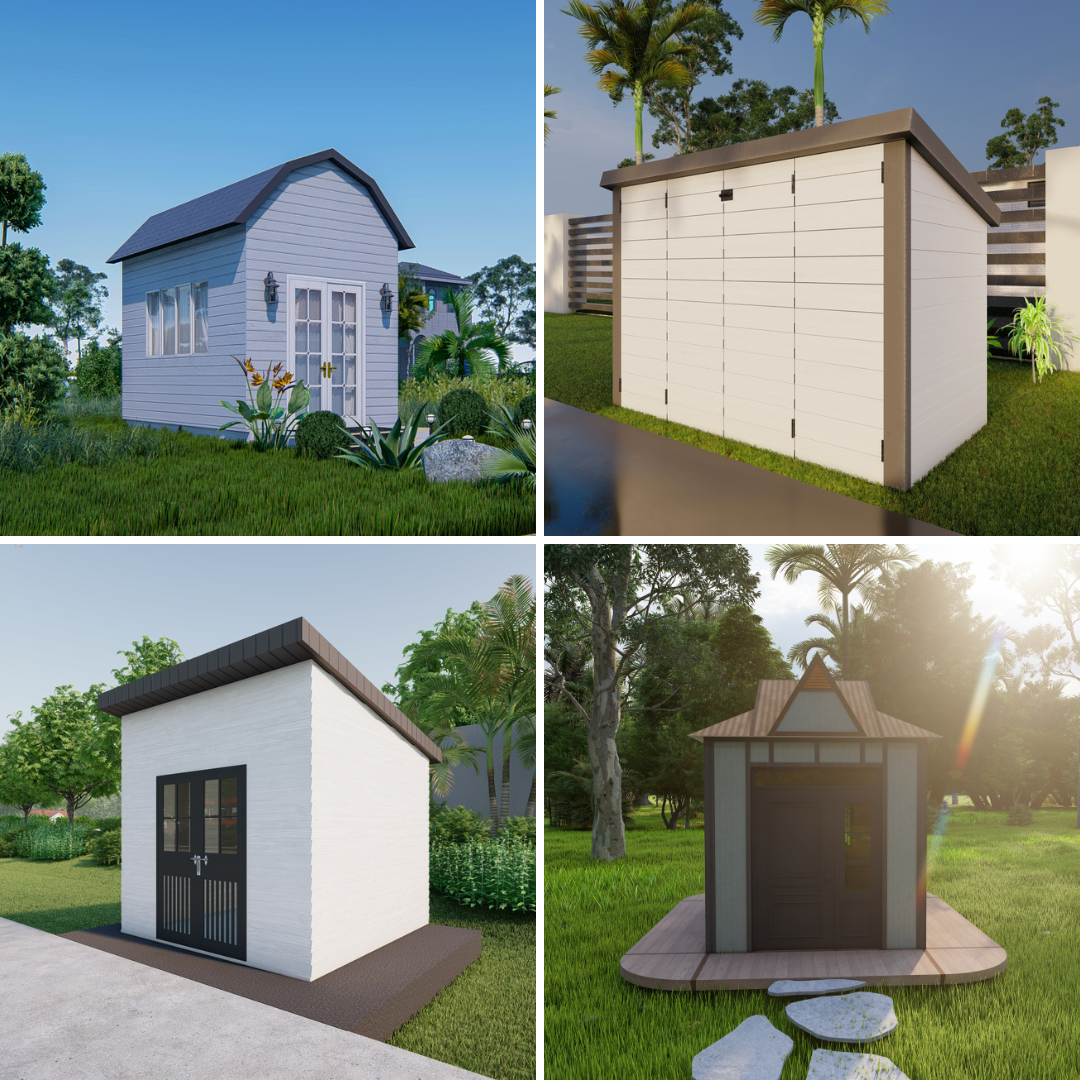
We carry plans ranging from compact studios to full two-bedroom cottages, in multiple architectural styles, with complete drawing packages ready for permit submission. If you're trying to determine which plan type suits your lot and goals, we're glad to help you narrow it down.